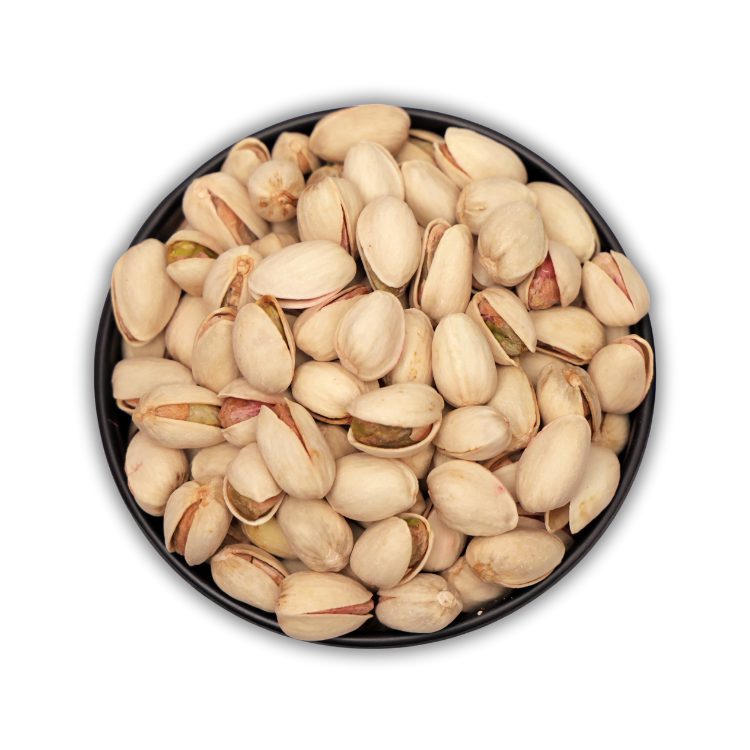
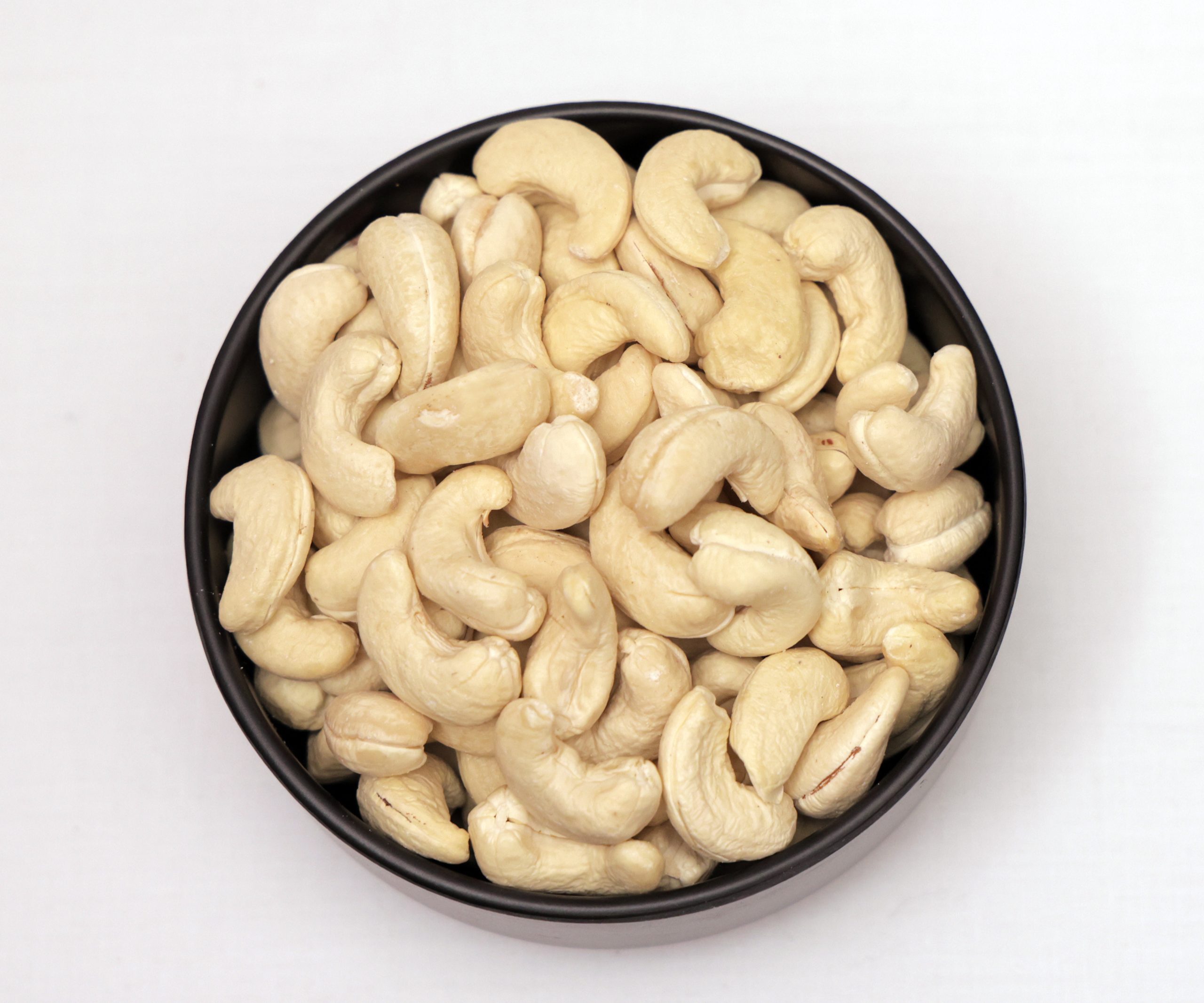
Cashew is the single biggest shelf in this shop, and the one where the price range confuses people most. Two bags can differ by a third and look the same until you know what you are looking at.
The grades, in one line each
W180 - the largest whole nut. What you buy for a thali, a gift box or anything where the cashew is seen.
W240 - a step down in size, still whole and even. The safe middle.
W320 - the everyday grade. This is what most kitchens actually use.
Broken / pieces - the cheapest, and exactly as good for barfi, gravy or anything ground. Nobody has ever tasted the difference in a kaju katli.
The number is how many nuts make a pound, so a lower number means a bigger nut. It is a size, not a quality grade - a W320 is not a worse cashew than a W180.
What to look at before you pay
- Colour. An even cream. Grey or yellow patches mean age.
- Shape. Plump, not shrivelled. A shrivelled cashew has lost moisture and will taste flat.
- Snap. It should break cleanly. A cashew that bends has taken on damp and will not keep.
- Smell. Cashews carry oil. Old stock smells faintly like paint, and that does not go away.
Buying it in Salumbar
Our kaju shelf is on this site with the grade and the weight on each one, from 100g upward. Order before 5 PM and it reaches you the same day inside Salumbar, free over ₹200.
If you would rather just say what you want - "1 kg W320, roasted, for Diwali" - send it to us on WhatsApp. We will confirm the price before we pack anything.
Roasted or raw
Raw keeps longer. Roasted tastes better now and goes stale faster, because roasting opens up the oil. If you are buying for a function that is three weeks away, buy raw and roast it that week.
Keeping it
Airtight, away from the stove, out of the sun. In a Salumbar summer an open dabba on the counter will turn a kilo of good cashew flat in a month. In a sealed container in a cool cupboard, six months is normal.



 (1).jpg)