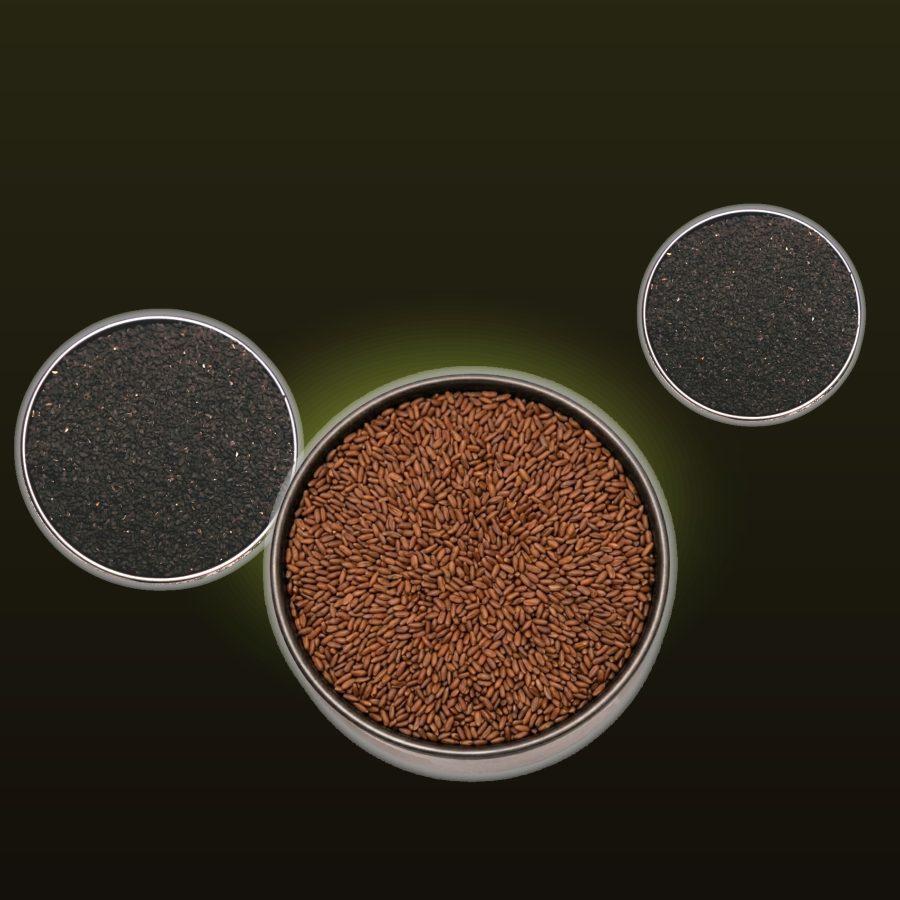
Three names circulate for what are really two seeds, and the confusion costs people the flavour of their biryani. Here is the plain version.
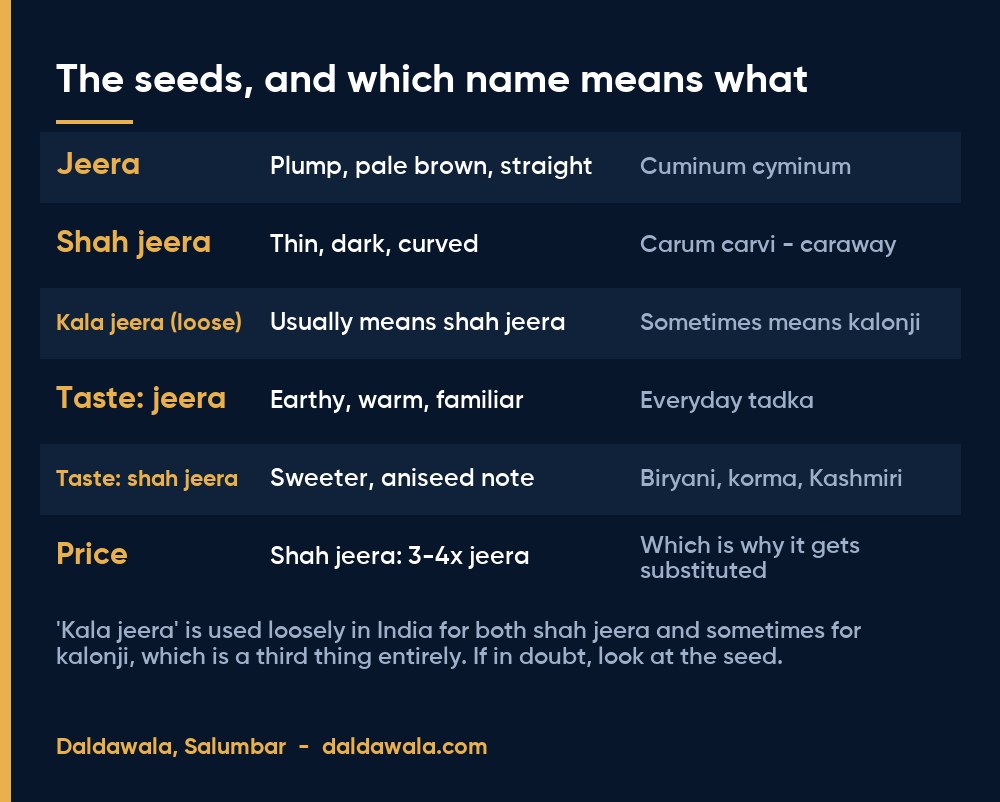
Short answer: Ordinary jeera is cumin - plump, pale brown, straight. Shah jeera is caraway - darker, thinner, distinctly curved, with an aniseed sweetness. They are different plants and are not substitutes in the dishes that call for shah jeera.
Telling them apart
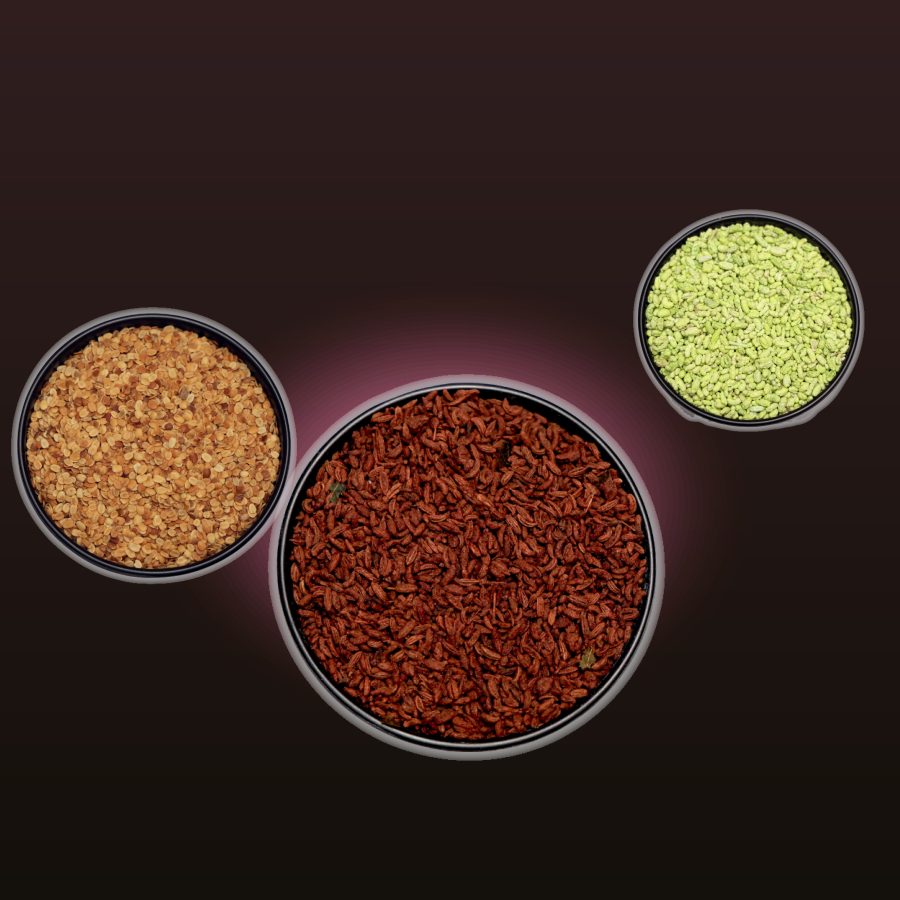
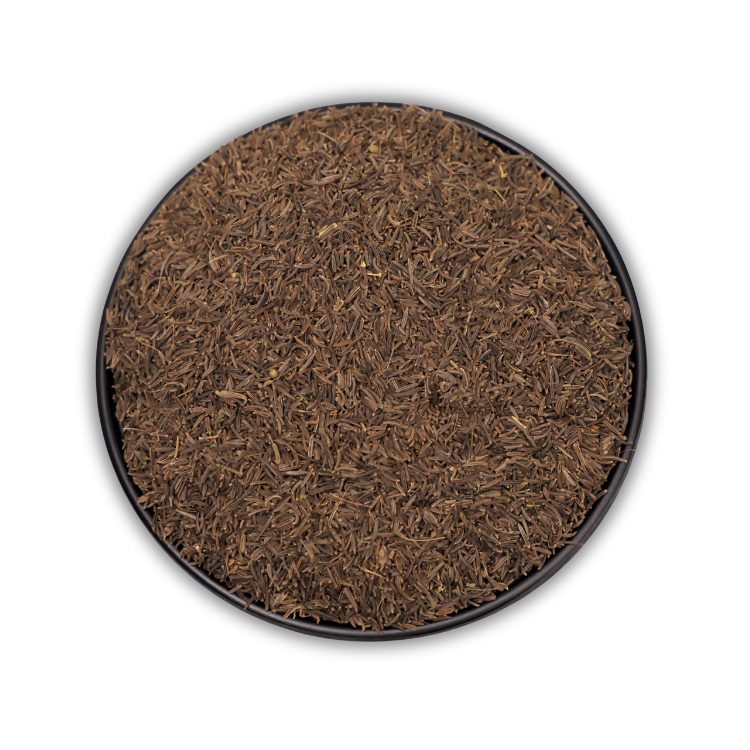
Tip a few of each into your palm. Ordinary jeera is plump, fairly straight, and a light greyish-brown. Shah jeera is noticeably thinner, darker - almost black-brown - and curved like a tiny crescent.
Smell them. Jeera smells of jeera, which everyone knows. Shah jeera has a sweeter, more complex smell with something aniseedy underneath, closer to fennel than to cumin.
If a shop has both in jars side by side, the size difference alone settles it.
Where each belongs
Jeera is the everyday workhorse: the tadka on a dal, jeera rice, raita, chaas, roasted and ground into chaat masala, in almost every sabzi. Nothing replaces it and nothing needs to.
Shah jeera belongs in the dishes where the spicing is layered and aromatic rather than earthy - biryani, korma, Kashmiri and Mughlai cooking, and most commercial biryani masala blends.
The substitution that causes trouble runs one way. Using jeera where shah jeera is called for gives a flatter, more ordinary dish; it is not wrong, it is just not what the recipe was built around. Using shah jeera in an everyday dal is a waste of money and tastes slightly odd.
Roasting jeera, which is a whole technique
Bhuna jeera - roasted and coarsely ground cumin - is a distinct ingredient from raw jeera and is what a raita, a chaas or a chaat actually wants.
Dry pan, low flame, three to four minutes, stirring. It darkens and the smell changes completely - from raw and slightly grassy to deep and nutty. Take it off at the first hint of smoke and tip it out of the pan.
Grind coarsely, not to a powder. The texture is part of the point.
It keeps about a month at full strength, which is an argument for roasting fifty grams rather than a kilo. Shop-bought bhuna jeera powder is almost always flat.
Buying both
For jeera, look for seeds that are uniform in size and colour, with no dust or stalk fragments in the lot. Rub a few between your palms - the smell should come immediately and strongly.
Jeera is also an adulteration target: grass seed coloured with charcoal has been documented. The home test is to rub a pinch between your palms. Real jeera leaves no black mark; coloured grass seed leaves charcoal on your hands.
For shah jeera, the main thing is to make sure you are actually getting shah jeera. Given the price gap, it is worth looking at the seed before it is weighed, which is one more argument for buying spices loose.
Both keep a year or more whole, airtight, away from heat. Ground jeera is finished in two months.
Buying it in Salumbar
Our spices is on this site with the weight and the price on every pack. Order before 5 PM and it reaches you the same day inside Salumbar, free over ₹200. We have been on Sadar Bazar since 1961. If you would rather just say what you want, send it on WhatsApp and we will confirm the price before we pack anything.
Questions people ask
Is shah jeera the same as jeera?
No. Jeera is cumin; shah jeera is caraway, a different plant. Shah jeera is thinner, darker, curved, and tastes sweeter with an aniseed note.
What is kala jeera?
Usually shah jeera, though the name is also used loosely for kalonji, which is a third and unrelated seed. Look at the seed rather than trusting the name.
Can I use jeera instead of shah jeera?
You can, and the dish will be flatter. In a biryani or korma the shah jeera is doing something specific that cumin does not do.
How do I check jeera is not adulterated?
Rub a pinch between your palms. Real cumin leaves no mark; grass seed coloured with charcoal leaves a black smudge.
What is bhuna jeera?
Roasted and coarsely ground cumin, used in raita, chaas and chaat. It is a different ingredient from raw jeera and keeps only about a month at full strength.
Why is shah jeera so expensive?
Lower yields and a smaller growing area - most Indian supply comes from Kashmir and Himachal. It is three to four times the price of cumin.



 (1).jpg)