"How much should this cost?" is the hardest question to answer in a dry fruit shop, because the range is enormous and the packet rarely tells you why. Two bags of kaju can differ by a third in price and look identical at a glance.
So here is the shop's own shelf, written out plainly. Every price below is what we charge today in Salumbar, per 100g unless it says otherwise.
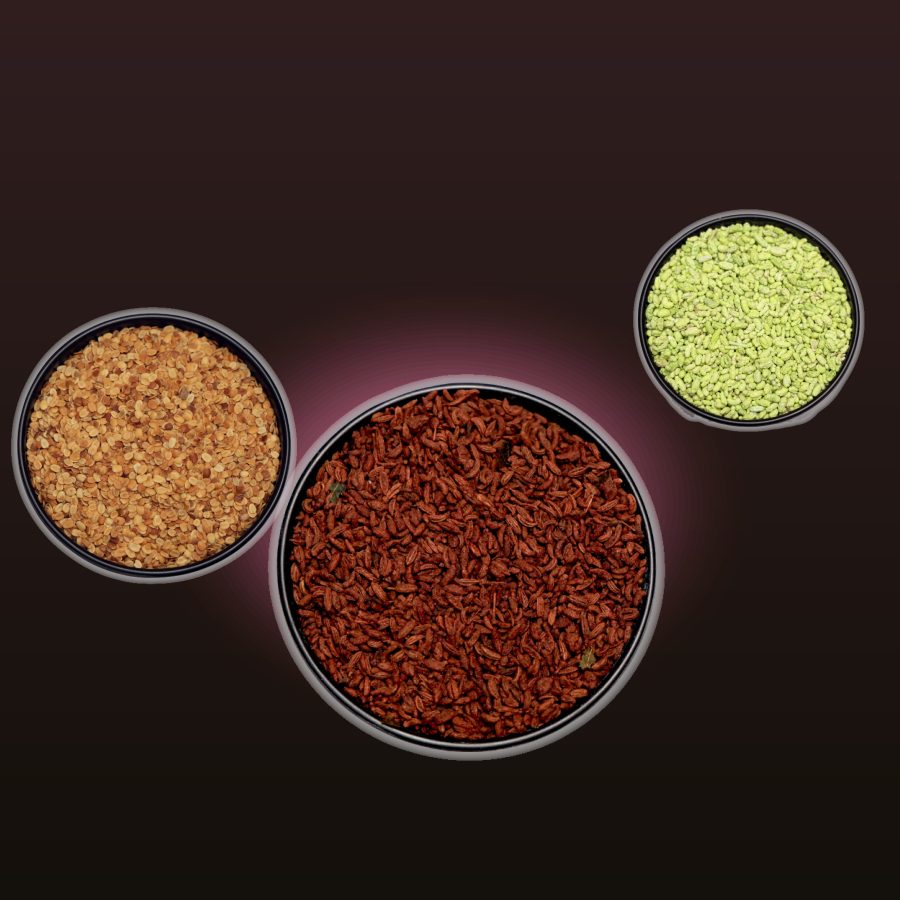
The masala box
These are the ones almost every kitchen here keeps, and the range is wide:
- Tej patta (bay leaf) - ₹40
- Saunth (dry ginger) - ₹80
- Dalchini (cinnamon) - ₹90
- Shah jeera - ₹90
- Star anise - ₹90
- Kali mirch (black pepper) - ₹99
- Laung (clove) - ₹120
- Jayfal (nutmeg) - ₹130
- Badi elaichi (black cardamom) - ₹240
- Javitri (mace) - ₹280
- Hari elaichi (green cardamom) - ₹440
The jump from ₹40 to ₹440 is not a quality scale - it is how much of the plant you get per kilo. Cardamom is hand-picked pod by pod. Bay leaf is a leaf. Neither is a better buy than the other; they just cost what they cost.
What this means in practice: the cheap end of the box you can buy in 250g without thinking. The ₹240-plus end is worth buying in 100g, because you use it by the pinch and it loses its aroma long before you finish 250g.
Dry fruits, where the money actually goes
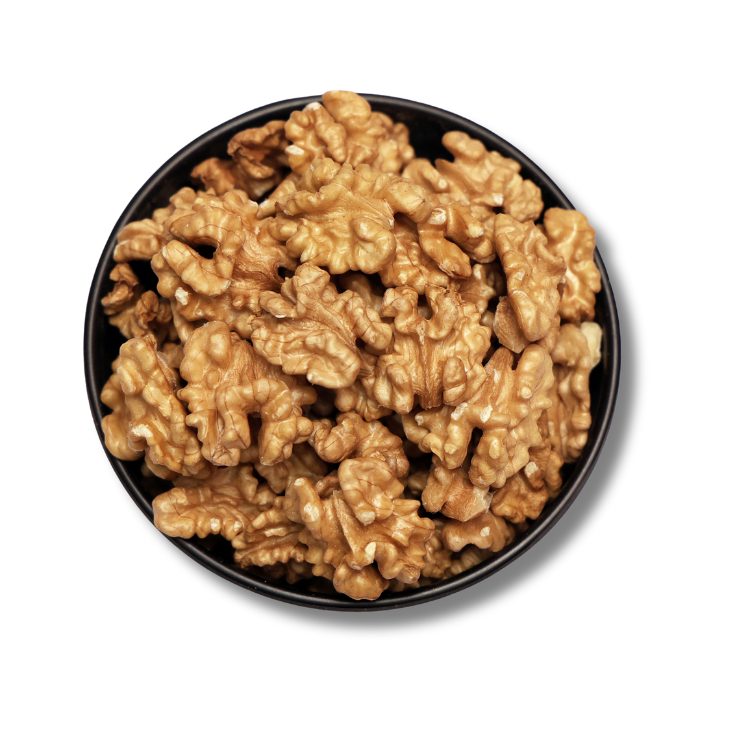
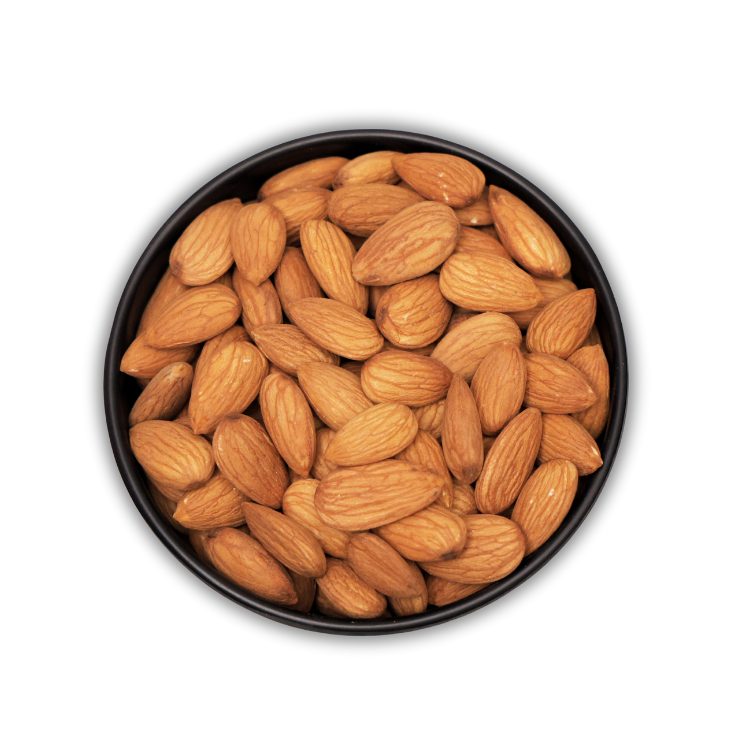
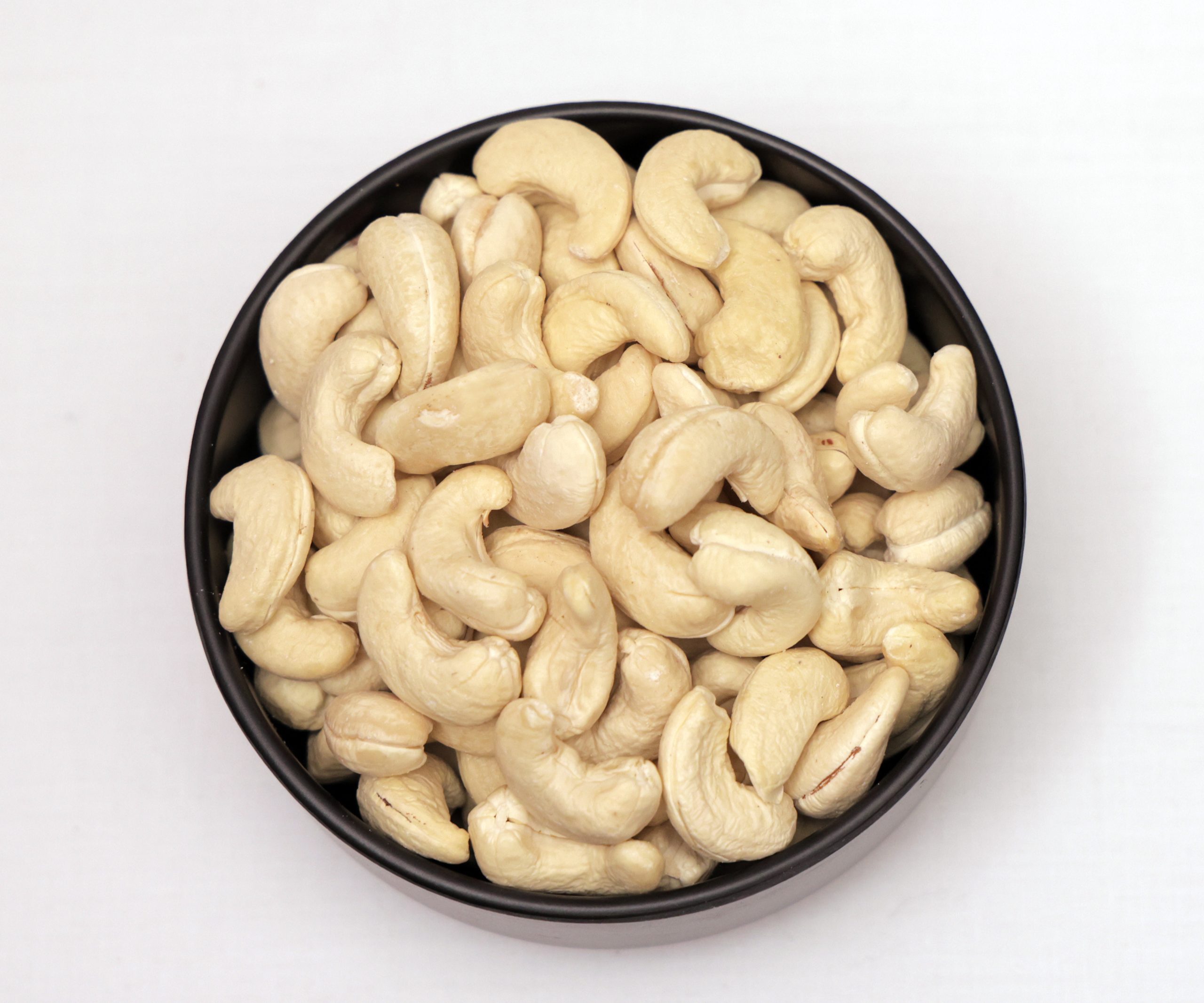
Cashew starts around ₹212 and runs past ₹1,300. Almonds from ₹100 to ₹1,750. That spread is grade and size, not freshness - a W320 cashew is a smaller nut than a W180, and for anything that gets ground it does exactly the same job for less.
The practical rule: buy the grade for the job. Big whole nuts for a thali or a gift box. Smaller grades, or broken pieces, for barfi, gravy and anything where nobody sees the nut.
What a month costs
A household here that cooks normally and keeps a decent masala box tends to spend somewhere between ₹600 and ₹1,200 a month on this shelf - the masala being small regular amounts, the dry fruits being an occasional larger buy.
The spike is festivals and weddings, when one order can be more than the rest of the year put together. That is the order worth planning: buy the whole-nut grades early, before the November rush, and buy the ground-into-mithai grades in bulk rather than in 100g packets.
Three ways people overpay
- Buying the big grade for a ground dish. The single most expensive habit in this shop, and nobody can taste it in the barfi.
- Buying masala in 500g to "save". It is cheaper per gram and worthless per gram if it sits open for eight months. Whole spices keep; the saving is real only if you actually get through it.
- Buying pre-ground. Ground masala starts losing aroma the day it is milled. Whole costs the same or less and keeps for a year.
A note on our prices
These are the Salumbar prices, and they are the same whether you walk in or order on the site. There is no online markup and no delivery charge over ₹200 - what the page says is what the bill says.
Prices do move, because these are agricultural goods and a bad season shows up on the shelf. The product pages are the live figure; this page is a snapshot of where things stand now.


 (1).jpg)