Nuts are sold as a protein food and they are a reasonable one, but the numbers are smaller than the marketing implies. It is worth knowing the actual figures before building a diet around them.
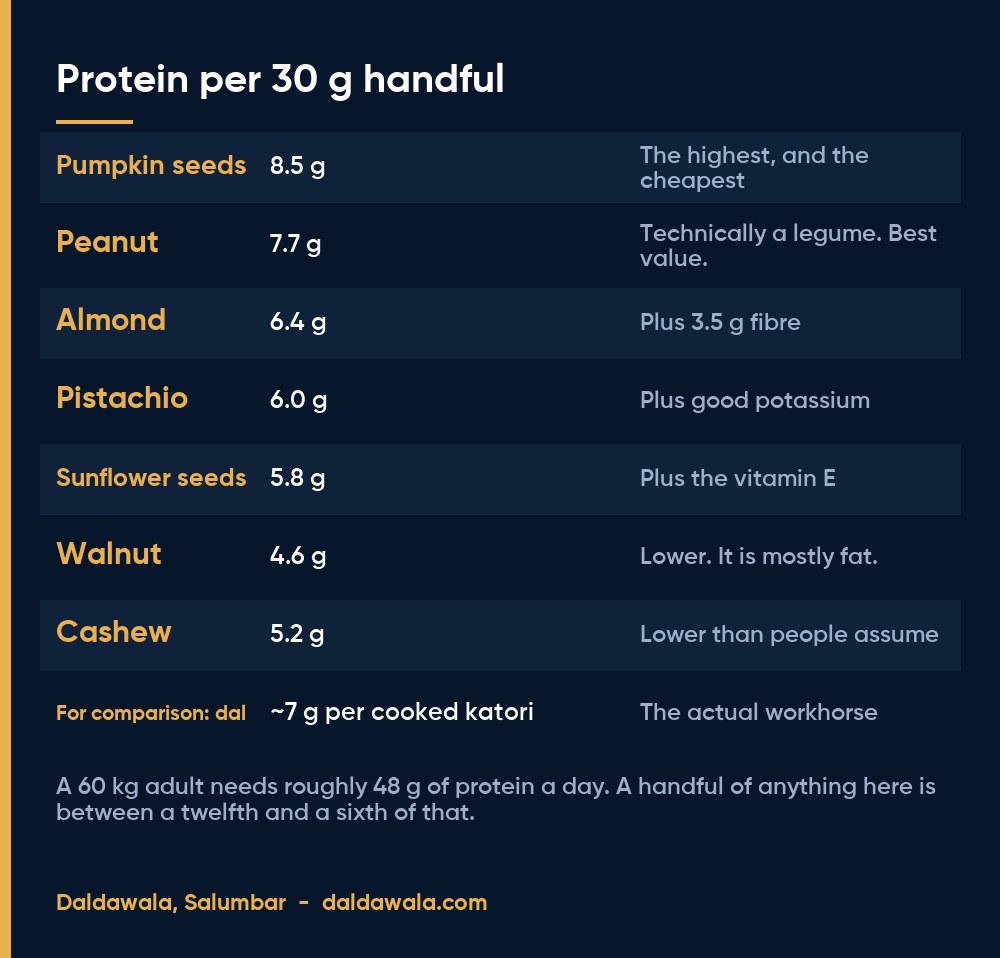
Short answer: A 30 g handful of almonds carries about 6 g of protein, pumpkin seeds about 8.5 g. Useful, but a 60 kg adult needs around 48 g a day, so nuts are a contributor and dal, curd and paneer do the heavy lifting.
The number in context
ICMR puts adult protein requirement at roughly 0.8 to 1 gram per kilogram of body weight - so around 48 grams a day for a 60 kg adult, more for someone training hard.
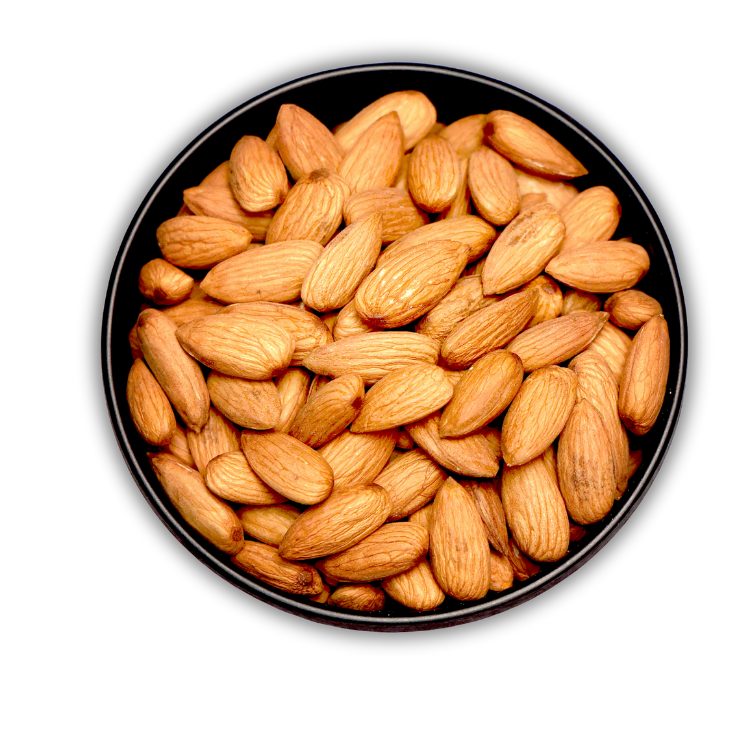
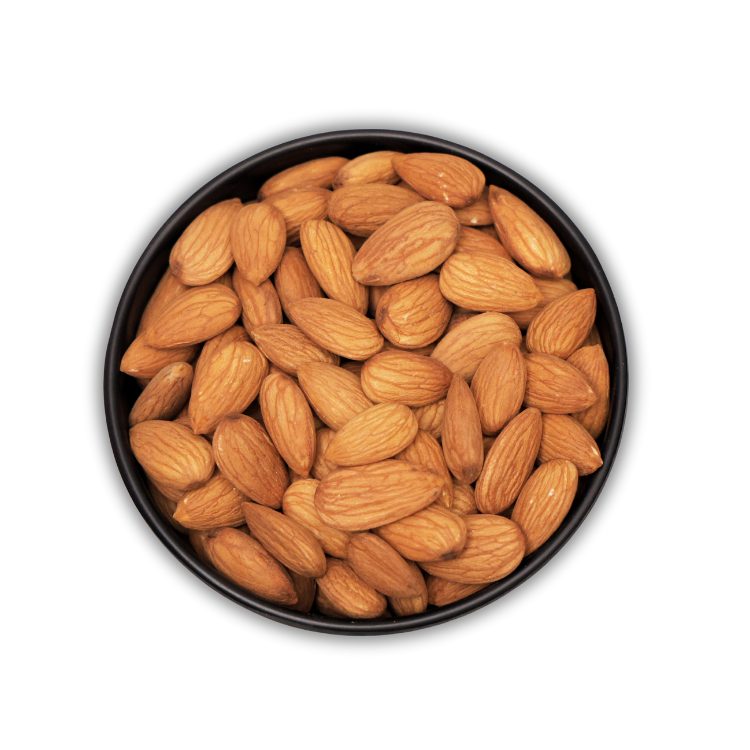
A handful of almonds is 6 grams. That is a useful eighth of the day, and it is not a protein strategy.
What it is, is one of the better ways to add protein to a snack. The alternative to a handful of almonds at four in the afternoon is usually a biscuit, and the almonds carry six grams of protein where the biscuits carry one.
So: nuts are a good upgrade to snacking. They are not a replacement for dal.
Where the real protein in an Indian diet comes from
A katori of cooked dal is about 7 grams. A katori of rajma or chana, more like 9. A hundred grams of paneer is 18. A cup of curd is 5 to 8 depending on thickness. Two rotis carry about 6.
A normal Indian vegetarian day with dal twice, curd once, and roti or rice reaches the requirement without difficulty. The idea that Indian vegetarian diets are inherently protein-deficient is overstated - what is more common is a diet short on dal and heavy on refined carbohydrate, which is a different problem.
Nuts and seeds fit on top of that as a snack that happens to carry protein rather than as a source in themselves.
The value question
If protein is the goal specifically, nuts are an expensive way to buy it.
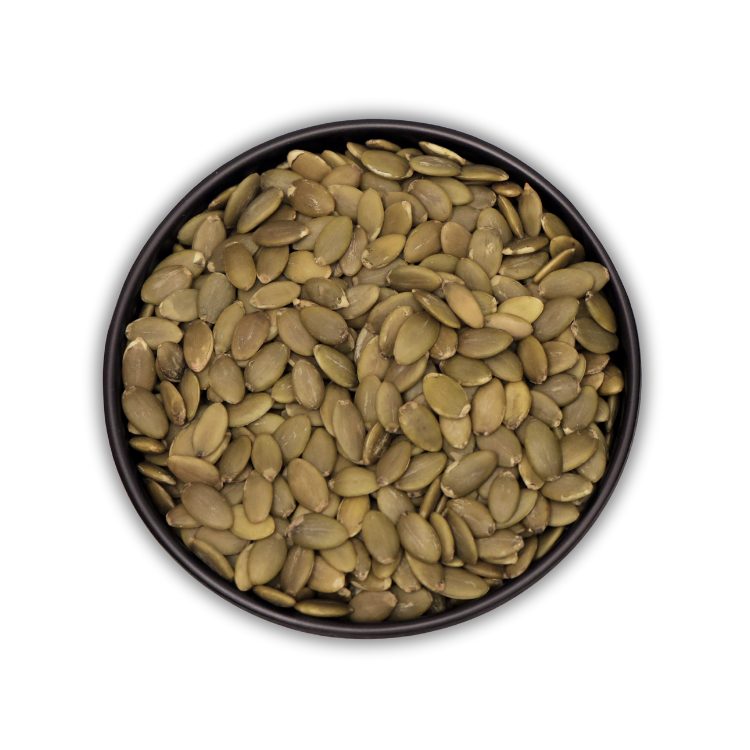
Peanuts and pumpkin seeds are the exceptions - both are high in protein and cheap, and roasted peanuts in particular are probably the best protein-per-rupee food in an Indian shop after dal and eggs.
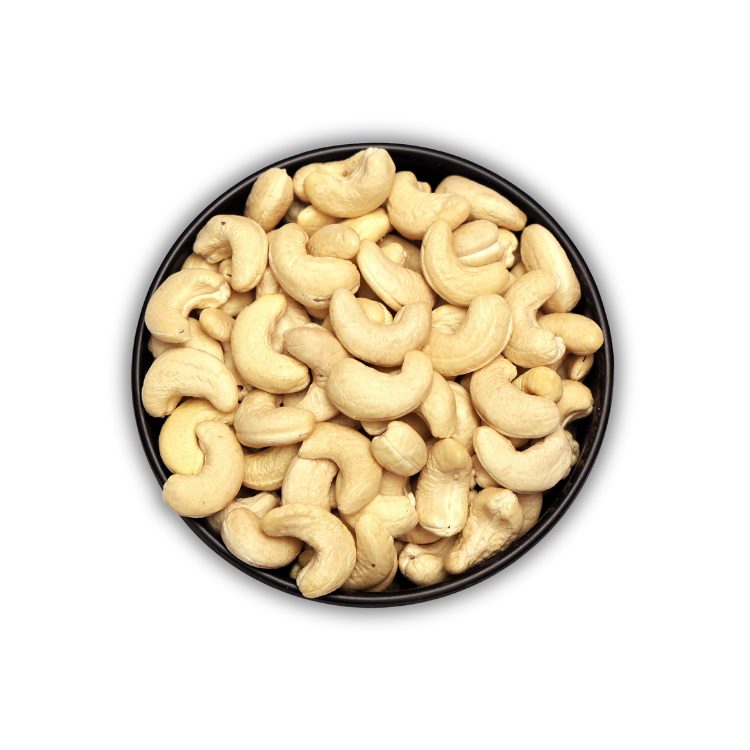
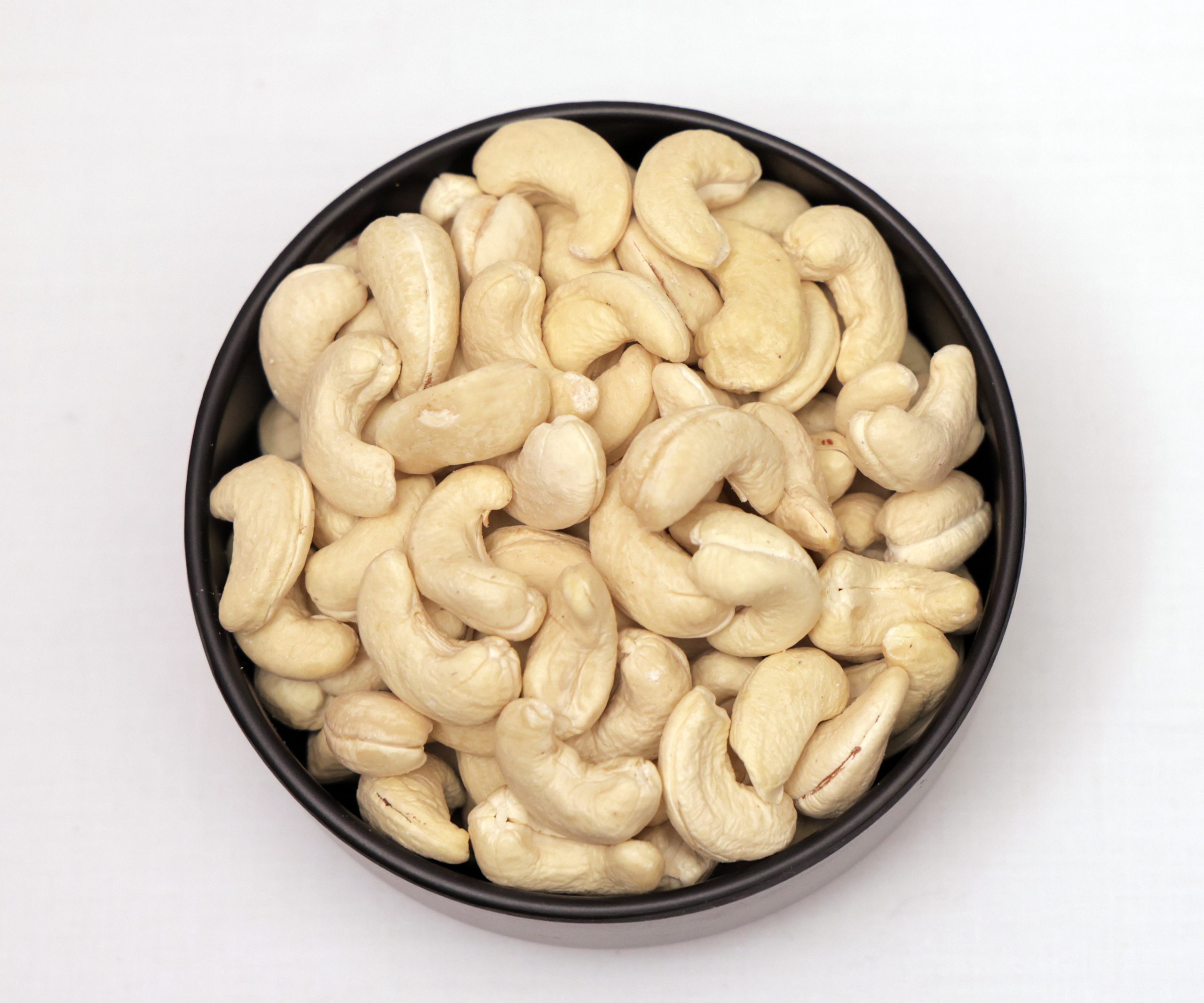
Almonds and cashews cost several times as much for similar or less protein. That is fine - nobody buys cashews for the protein - but it is worth knowing if you are choosing between jars with protein in mind.
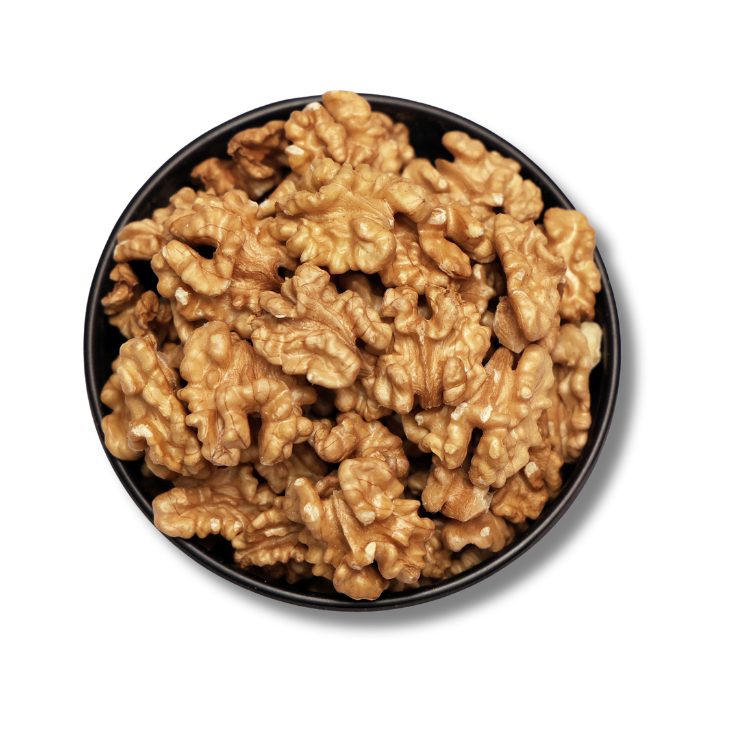
Walnuts are the lowest of the common nuts at 4.6 grams, because they are mostly fat. They are worth eating for the ALA, not the protein.
The practical arrangement
One 30-gram handful a day, as a snack, of whatever you like. That is 5 to 8 grams of protein you would otherwise probably not have eaten, plus magnesium, vitamin E and fibre.
If you want the protein specifically, make it pumpkin seeds or peanuts, and make it a bigger handful.
If you are trying to raise protein intake seriously - training, recovery, a doctor's advice - the levers are dal twice a day, curd daily, paneer or eggs if you eat them, and a spoon of seeds on top. Nuts alone will not get you there and will cost a great deal trying.
Buying it in Salumbar
Our dry fruits is on this site with the weight and the price on every pack. Order before 5 PM and it reaches you the same day inside Salumbar, free over ₹200. We have been on Sadar Bazar since 1961. If you would rather just say what you want, send it on WhatsApp and we will confirm the price before we pack anything.
Questions people ask
How much protein is in a handful of almonds?
About 6.4 grams per 30 g handful, which is roughly 20 to 23 almonds. That is around an eighth of an adult's daily need.
Which nut has the most protein?
Pumpkin seeds at about 8.5 g per 30 g, then peanuts at 7.7 g. Both are also the cheapest, which is unusual.
Are nuts a good protein source for vegetarians?
A useful contributor, not a main source. Dal, curd, rajma, chana and paneer do the heavy lifting; nuts are a snack that happens to carry protein.
How much protein do I need a day?
Roughly 0.8 to 1 gram per kilogram of body weight - about 48 g for a 60 kg adult. More if you train hard.
Is cashew high in protein?
Lower than most people assume - about 5.2 g per 30 g, less than almonds or pumpkin seeds.
What is the cheapest protein in a dry fruit shop?
Roasted peanuts, then pumpkin seeds. Both carry more protein per rupee than any of the expensive nuts.


 (1).jpg)