Seeds are the part of a kirana shop that has changed most in ten years. Til and alsi were always here. Chia, sabja and pumpkin arrived because people started asking for them, and they arrived with a lot of claims attached.
Here is the plain version: what each one is actually for, and what it costs, so you can tell whether a packet is worth it.
The everyday ones
Safed til (white sesame) - the cheapest thing on the shelf at ₹25 for 100g, and the one most used. Til laddoo, gajak, tempering, and a spoon over sabzi. Buy these loose and often; they carry oil and go flat if they sit for a year.
Alsi (flax) - ₹30 for 100g. Best dry-roasted and ground, because whole flax mostly passes straight through. Grind a week at a time, not a month: ground flax turns bitter faster than most things in the kitchen.
Kalonji (onion seeds) - ₹60 for 100g. The black seed on naan and in achaar. A little goes a long way and the flavour is unmistakable once you know it.
The soaking ones
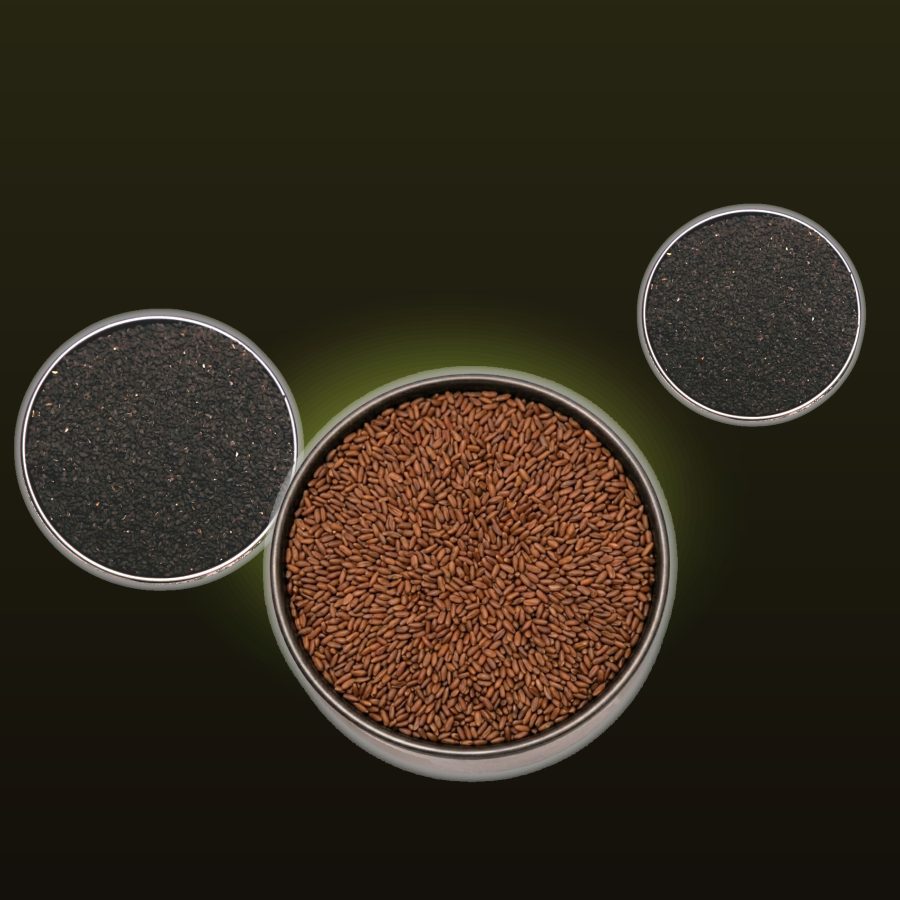
Sabja (tukmariya, basil seed) - ₹50 for 100g. Swells in water in about ten minutes into a jelly. This is the one in falooda and in summer sharbat. It has to be soaked; eaten dry it does nothing.
Chia - ₹50 for 100g. Behaves like sabja but takes longer, holds more water, and has almost no taste, which is the point. If a shop tells you chia and sabja are the same thing, they are not - chia is grey-and-white speckled, sabja is flat black.
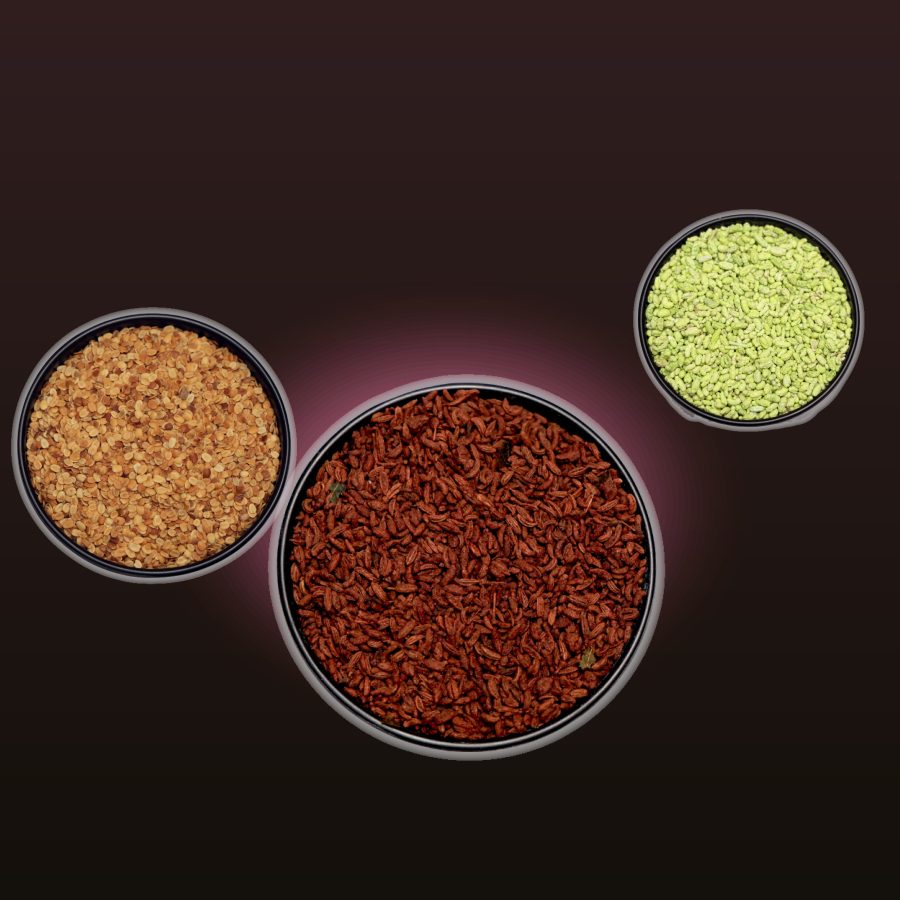
Aliv (halim) - ₹40 for 100g. The small red one, traditionally given after childbirth, usually cooked in milk or in a laddoo. Strong flavour; use less than you think.
The ones you eat by the handful
Sunflower - ₹60 for 100g. Mild, cheap, good in a mix.
Pumpkin - ₹80 for 100g. Bigger, greener, and the one worth paying for if you are eating seeds as a snack rather than cooking with them.
Magaj (watermelon) - ₹85 for 100g. This is the one in mithai and in gravies - it thickens without changing the taste. A north Indian kitchen uses more of this than it realises.
Muskmelon - ₹120 for 100g, the priciest of the lot, and used the same way as magaj.
If you want a bit of everything, the five seeds mix is ₹70 for 100g and saves buying five packets to try them.
How to tell a good packet from a tired one
- Smell it. Seeds are oily. Old seeds smell faintly of paint. That is rancidity and it does not improve.
- Look for dust at the bottom. A lot of broken fragments means the stock has been handled and moved a great deal.
- Buy the small pack first. Almost everything here comes in 100g. There is no sense buying 500g of something you may not like, and seeds are not a thing to store for a year anyway.
Keeping them
Airtight, out of the light, and away from the stove. The cupboard above the gas is the worst place in the kitchen and it is where most people keep their seeds. Roasted seeds keep less well than raw ones - roast what you need.
Bought loose and kept properly, most of these are good for six months. In a warm kitchen in an open dabba, closer to two.


 (1).jpg)