
Dry fruits are one of the few things in a kirana shop where the price range is enormous and the reason is not always obvious. Two bags of kaju can differ by a third in price and look, to a quick glance, identical.
Here is what is actually being priced.
Kaju: the grade is a size, not a quality
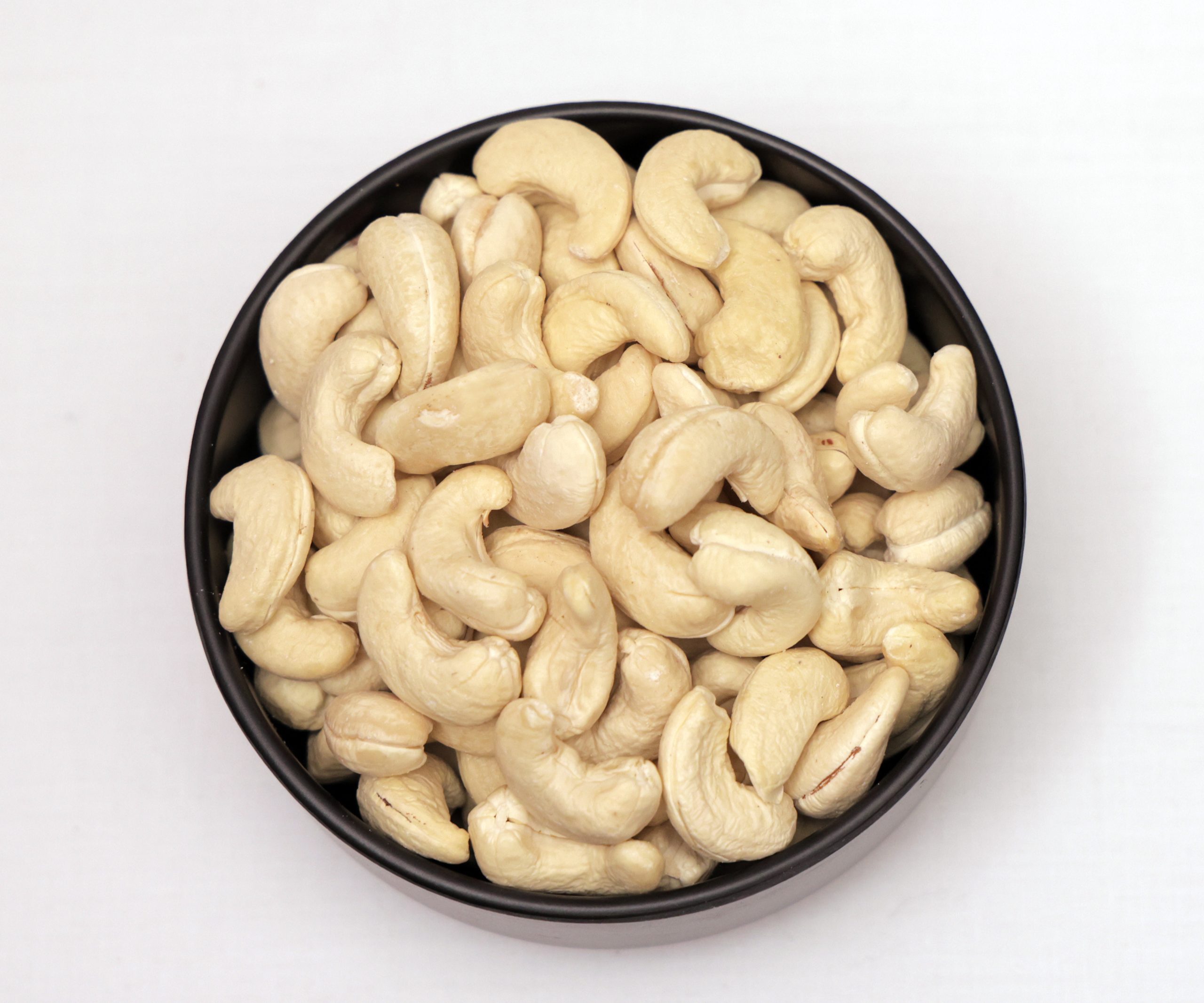
W240, W320, W180 - the number is how many cashews make up a pound. So a lower number means a bigger nut. W180 are the large ones, W320 the everyday size.
Bigger is not better tasting. It is only bigger, and it costs more because large whole nuts are rarer. For a barfi or a gravy that gets ground anyway, the smaller grades - or the broken pieces, which are cheaper again - do exactly the same job. Buy W180 when the cashew is going to be seen.
What does matter: a uniform cream colour, no grey or yellow patches, and no shrivelling. A cashew that has gone slightly soft has taken on moisture and will not keep.
Badam: look at the skin
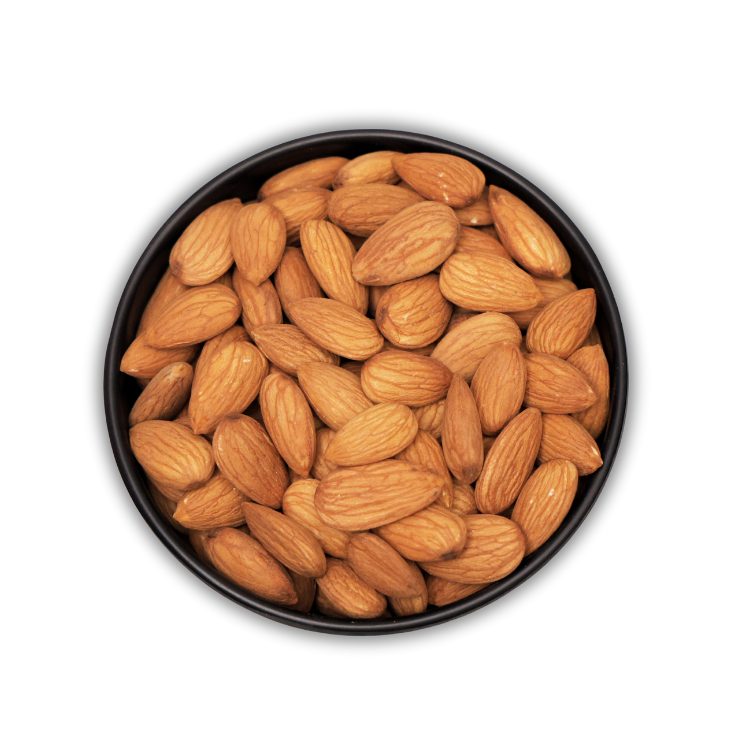
A good almond has tight skin, an even brown, and a flat plump shape. Wrinkled skin means it dried too long or sat too long. Very pale almonds have usually been bleached, which tells you nothing good.
Break one. It should snap, not bend, and the inside should be white and dense. If it bends, it has moisture in it, and moisture in a nut is the beginning of the end.
Akhrot: this one goes off fastest
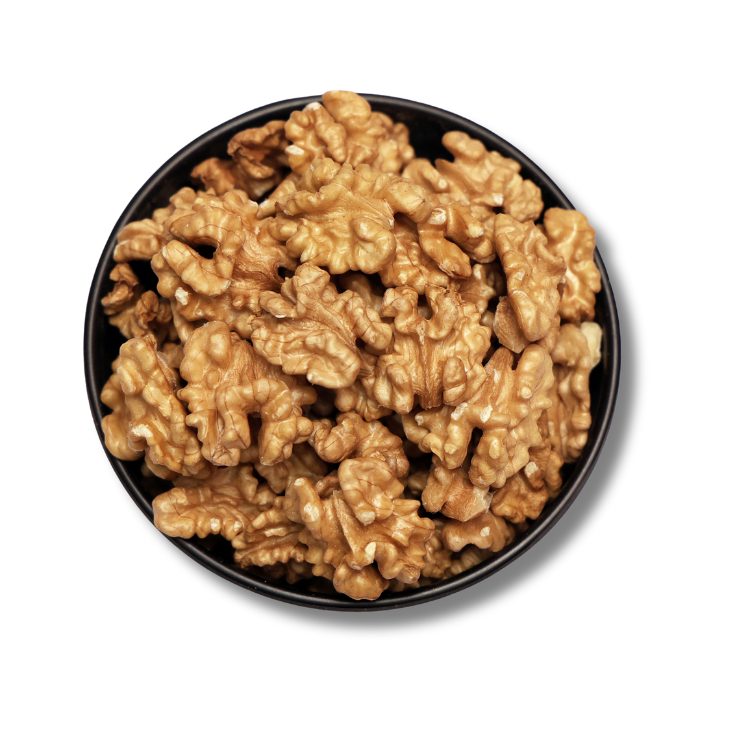
Walnuts have more oil than almost anything else on the shelf, and oil goes rancid. This is the single most common complaint about walnuts and it is almost never the walnut's fault - it is how long it sat.
Smell them. Fresh walnut kernels smell faintly sweet and buttery. Rancid ones smell sharp, a little like old paint. Once you have smelled the difference once you will never miss it again.
Colour is a guide: lighter kernels are fresher, darker ones older. Halves cost more than quarters or pieces for the same reason W180 cashews cost more - they are harder to produce, not better to eat. For baking or grinding, buy the pieces.
Buying by weight, sensibly
Dry fruits keep for months, not years. Buying five kilos to save on the rate is a saving only if you finish it. For most houses, a quarter or half kilo at a time and a fresh bag next month is both cheaper in practice and better on the plate.
Keeping them
- Airtight, always. An open bag in a kitchen cupboard is a bag slowly taking on damp.
- Walnuts and pine nuts belong in the fridge - their oil is the reason.
- Kaju and badam are fine in a cool dark cupboard for a couple of months; the fridge extends that.
- Never near the stove. Heat is what turns oil.
At the counter, one test
Ask for one. Any shop that sells dry fruits by weight will let you taste a single nut, and one nut tells you more than any amount of looking. If a shop will not, that itself is the answer.
At Daldawala we have sold dry fruits from Sadar Bazar since 1961, weighed out from the counter rather than sealed in a packet somewhere else. The full range is on the site if you would rather have it brought to your door in Salumbar - and if you want to taste before you buy, the shop is where it has always been.


 (1).jpg)