The phrase "dry fruits" covers two completely different kinds of food, and for anyone managing blood sugar the distinction is the whole point.
Nuts are mostly fat and protein. Dried fruit is mostly sugar. Treating them as one category is how a sensible habit turns into a problem.
Short answer: Nuts - almonds, walnuts, pistachios - are low in carbohydrate and have reasonable evidence for improving blood sugar control. Dried fruit - dates, raisins, figs - is concentrated sugar and is a different conversation.
Why nuts are the easy part
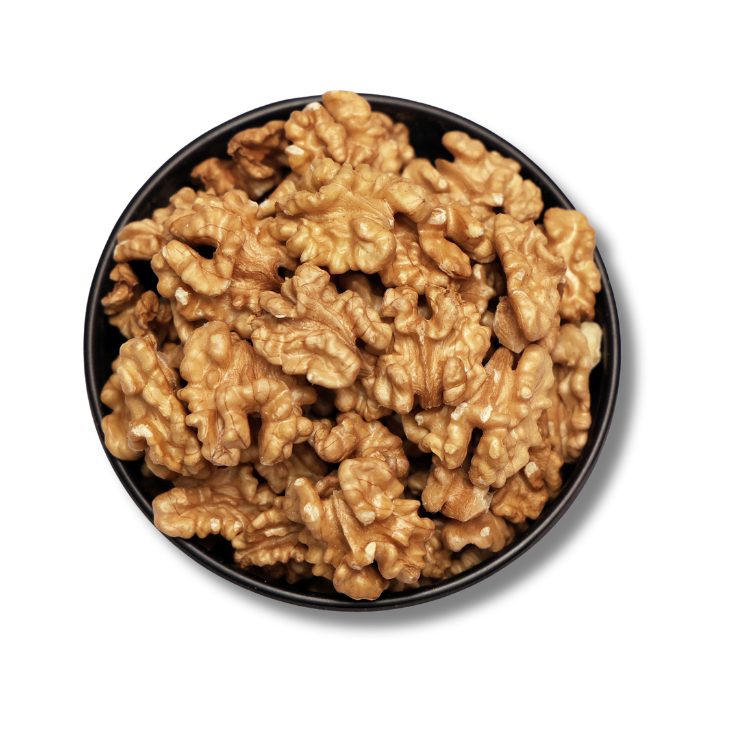
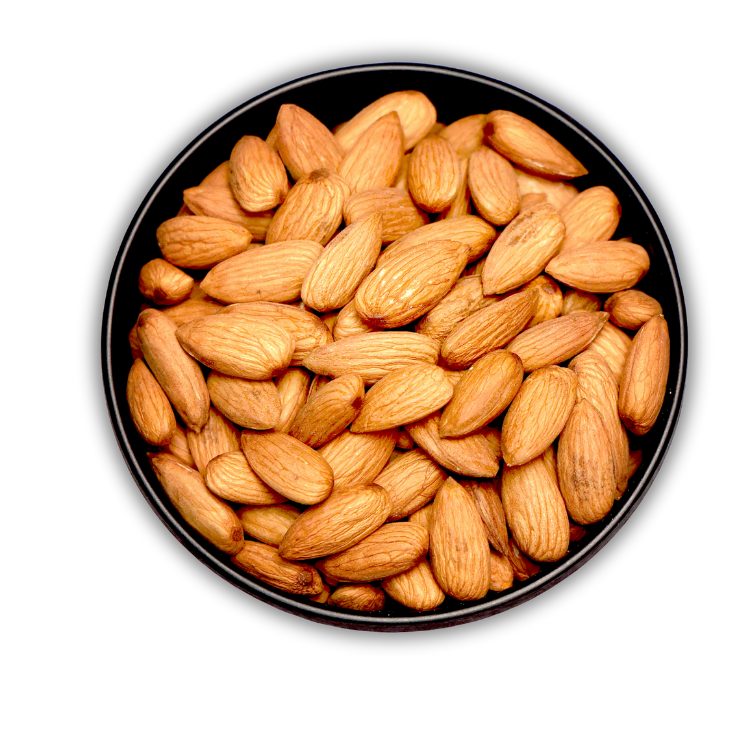
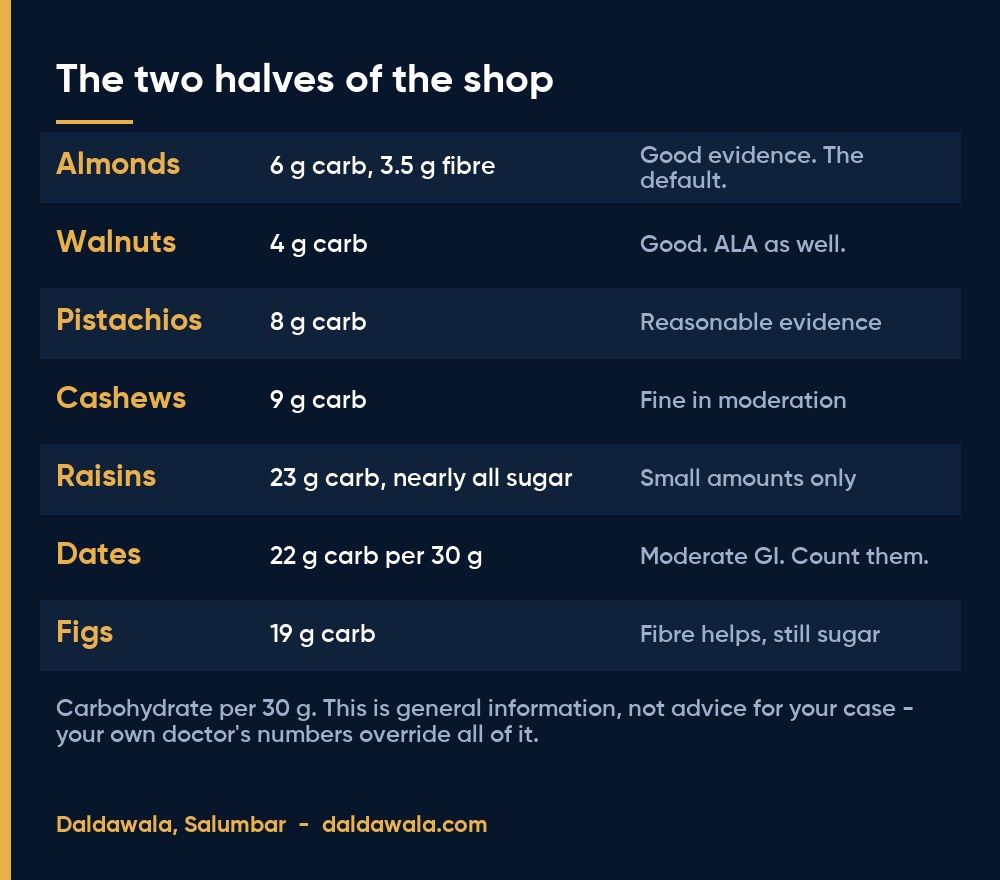
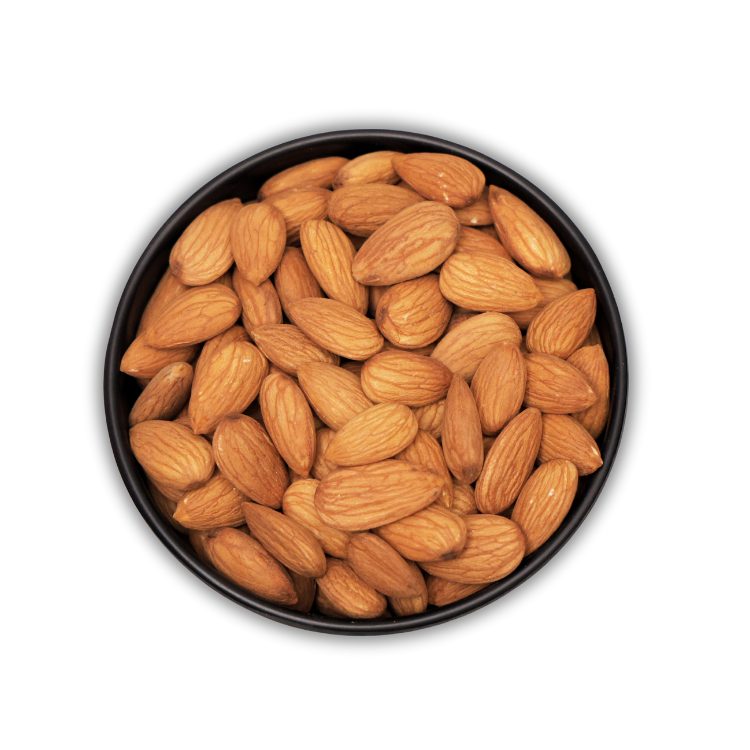
A 30-gram handful of almonds carries about 6 grams of carbohydrate, of which 3.5 is fibre - so the sugar impact is close to nothing. Walnuts are lower still.
Beyond simply being harmless, there is reasonable evidence that regular nut consumption modestly improves long-term blood sugar control and blood lipids in people with type 2 diabetes. Several trials have found small but real reductions in HbA1c in groups eating a daily handful of almonds or pistachios.
"Small but real" is the right framing. Nuts are not a treatment; they are a food that does not hurt and may help a little, which among snack foods makes them close to the best available option.
One handful a day, unsalted, is the sensible shape of that habit.
Dried fruit is a different question
Drying removes water and leaves the sugar behind, concentrated. Thirty grams of raisins carries 23 grams of carbohydrate, essentially all of it sugar - roughly the same as four teaspoons.
That does not make dried fruit forbidden. It makes it something to count rather than to graze on. The practical difference is: a handful of almonds does not need thinking about, and a handful of raisins does.
Dates sit slightly better than their sugar content alone suggests, because the fibre slows absorption and their glycaemic index is moderate rather than high. Small studies have found that one or two dates do not spike blood glucose the way an equivalent amount of plain sugar does. One or two, as a deliberate sweet, is defensible. Six is not.
The practical arrangement
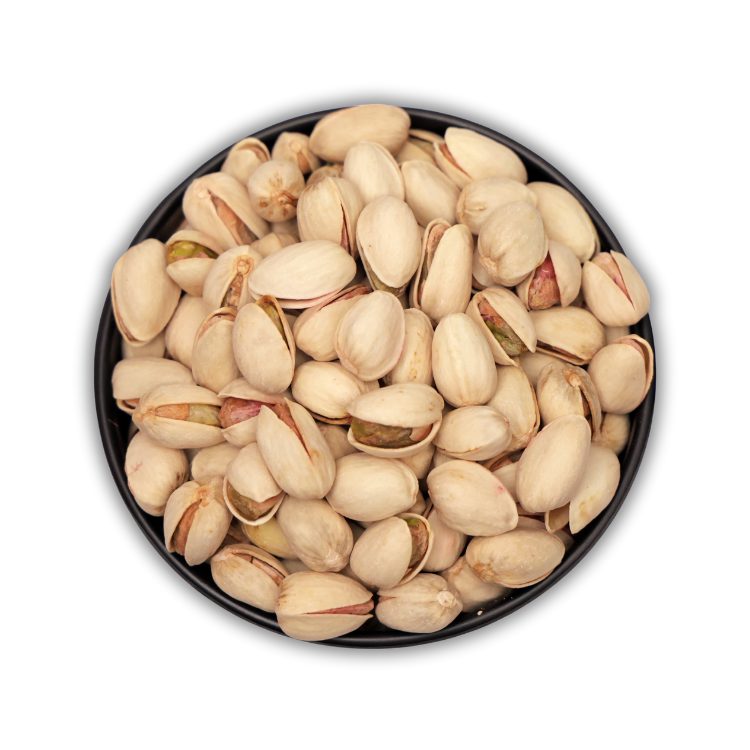
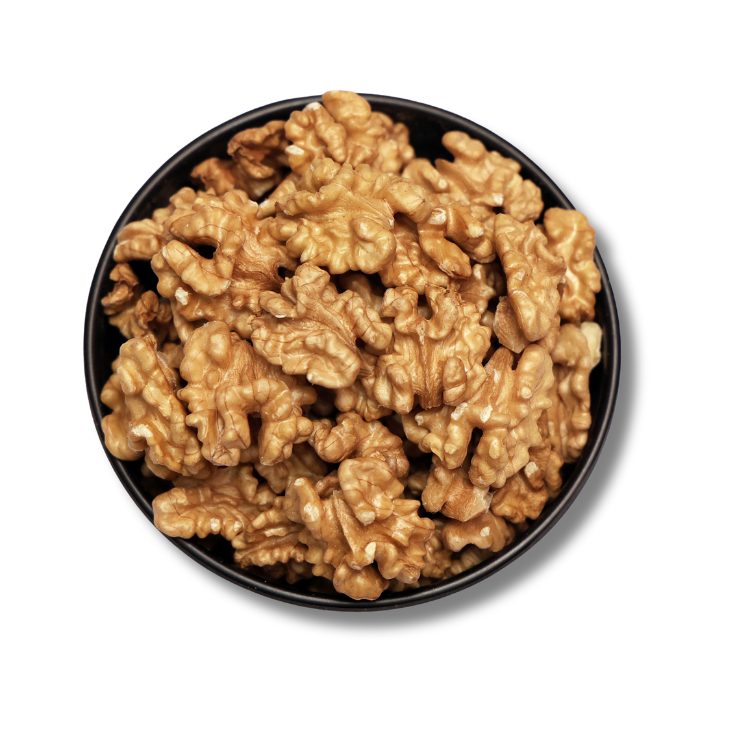
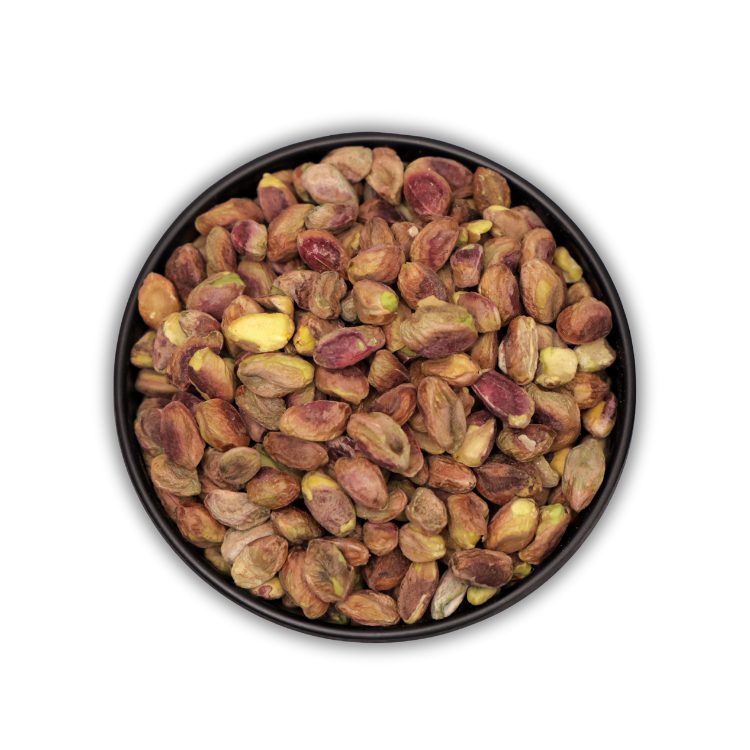
Keep in the house: almonds, walnuts, pistachios, unsalted. A jar on the table that you can reach for without calculating.
Keep, but in small quantities: dates, figs, raisins. Buy 250 grams rather than a kilo, so the portion is decided at the shop rather than at eleven at night.
Avoid: salted and masala-coated nuts as a daily habit, because the sodium adds up and blood pressure usually travels with diabetes. And any dried fruit that has been sugar-coated or candied - cranberries and some cherries are often sweetened, and that is added sugar on top of the fruit's own.
What this page cannot tell you
Your numbers. Diabetes varies enormously - type, duration, medication, kidney function, other conditions - and the same handful of raisins is a non-event for one person and a problem for another.
What a shop can honestly say is which foods carry how much sugar, which this page has. What your amounts should be is a conversation with your doctor or a dietitian, ideally with a glucose meter involved, because the only reliable guide to how a food affects you is measuring it.
If you are reading this page to decide whether to stop a medication, please do not.
Buying it in Salumbar
Our dry fruits is on this site with the weight and the price on every pack. Order before 5 PM and it reaches you the same day inside Salumbar, free over ₹200. We have been on Sadar Bazar since 1961. If you would rather just say what you want, send it on WhatsApp and we will confirm the price before we pack anything.
Questions people ask
Can a diabetic eat almonds?
Yes. A 30 g handful carries about 6 g of carbohydrate, most of it fibre, and there is reasonable evidence that a daily handful modestly improves long-term control.
Are dates safe for diabetics?
They have a moderate glycaemic index and the fibre slows the sugar, but 30 g still carries about 22 g of carbohydrate. One or two as a deliberate sweet is defensible; a handful is not. Ask your own doctor.
Which dry fruits should diabetics avoid?
Nothing is strictly forbidden, but raisins, candied cranberries and sugar-coated fruit are concentrated sugar and are easy to over-eat. Buy them in small quantities if at all.
How many nuts a day for a diabetic?
About 30 grams - one handful - unsalted. That is the amount used in most of the studies showing benefit.
Do nuts lower blood sugar?
Modestly, over time, in several trials. The effect is small and real. They are a good food, not a treatment, and nothing here replaces medication.
Is cashew bad for diabetes?
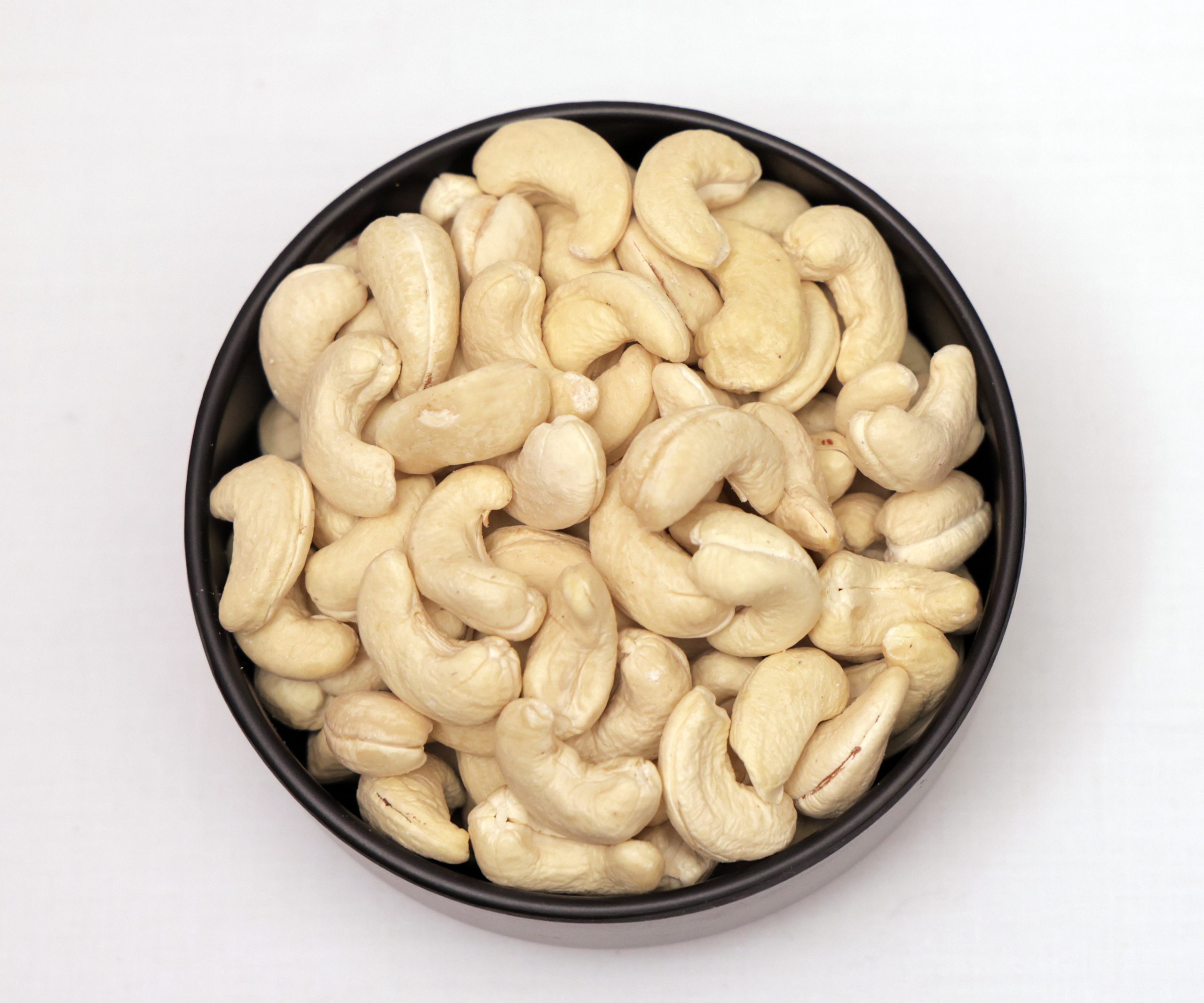
Higher in carbohydrate than almonds or walnuts, at about 9 g per 30 g, but still a nut rather than a sugar. Fine in moderation.



 (1).jpg)