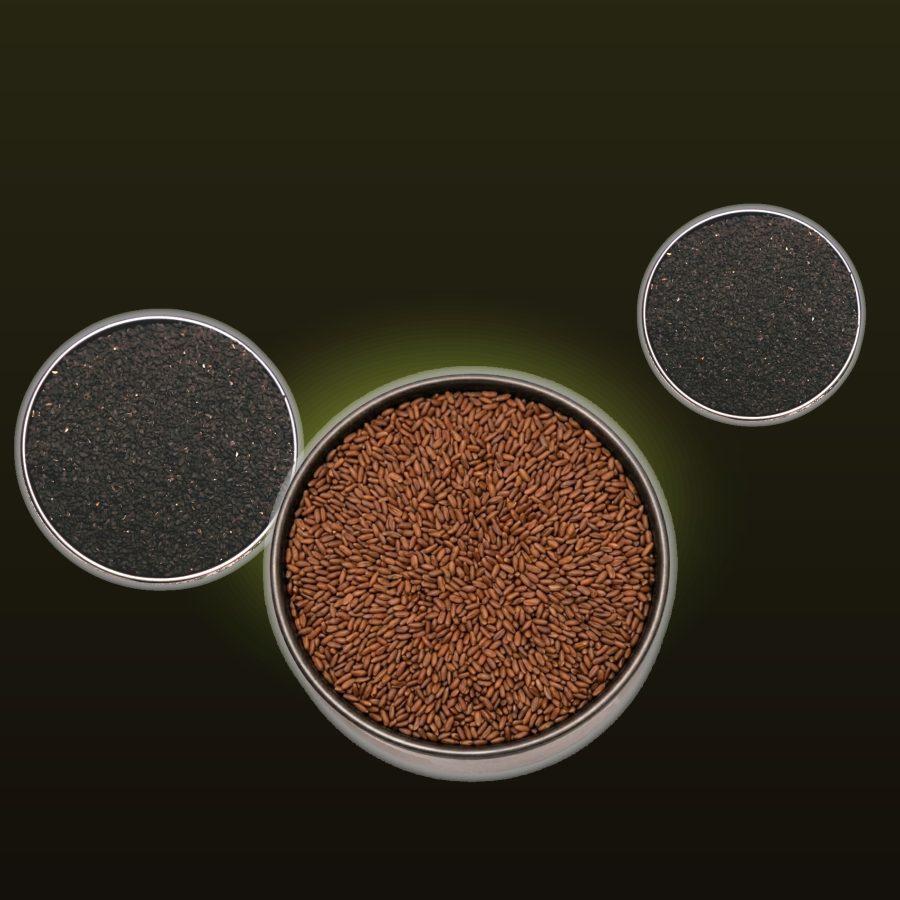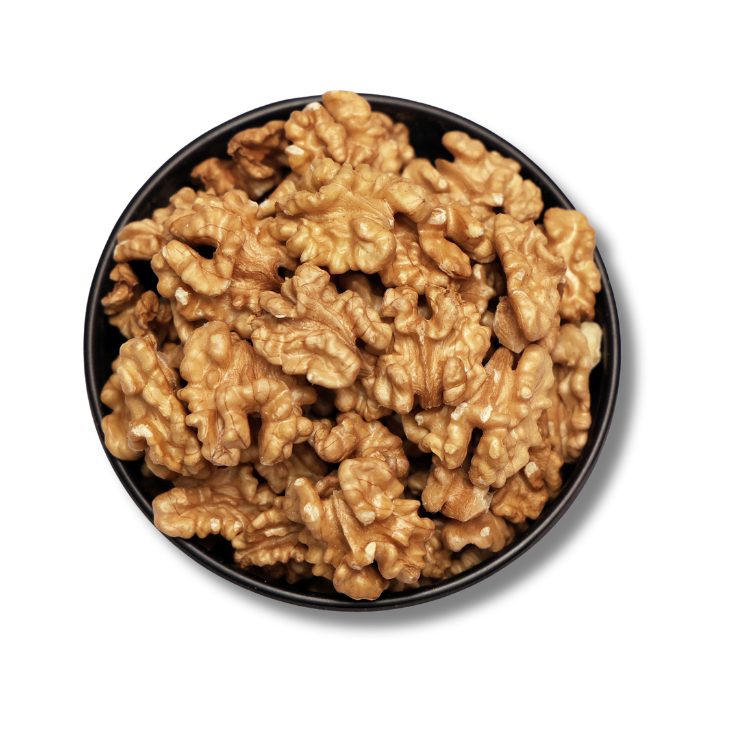
Panjiri sits in a tin through a Rajasthani winter and gets eaten by the spoon with warm milk. It is also traditionally given to new mothers, which is where most of its reputation comes from.
Every ingredient in it is doing something. Here is what.
Short answer: The atta roasting is the step that decides everything - twenty to twenty-five minutes on a low flame until it turns a deep sand colour and smells nutty. Under-roasted atta makes panjiri that tastes raw and does not keep.
The atta roast, which takes longer than you think
Twenty to twenty-five minutes on a low flame, in ghee, stirring more or less continuously. This is the whole recipe's foundation and it is where almost every disappointing panjiri went wrong.
What you are waiting for is a deep sand colour - several shades darker than raw atta - and a smell that turns from floury to distinctly nutty. If it still smells of flour, it is not done, however long the clock says.
Under-roasted atta has two problems. It tastes raw and pasty, and it holds moisture, which means the panjiri will go stale in a fortnight instead of keeping two months.
Low flame throughout. High heat browns the surface of the grains while the inside stays raw, which gives you the colour without the roast.
What each of the others does
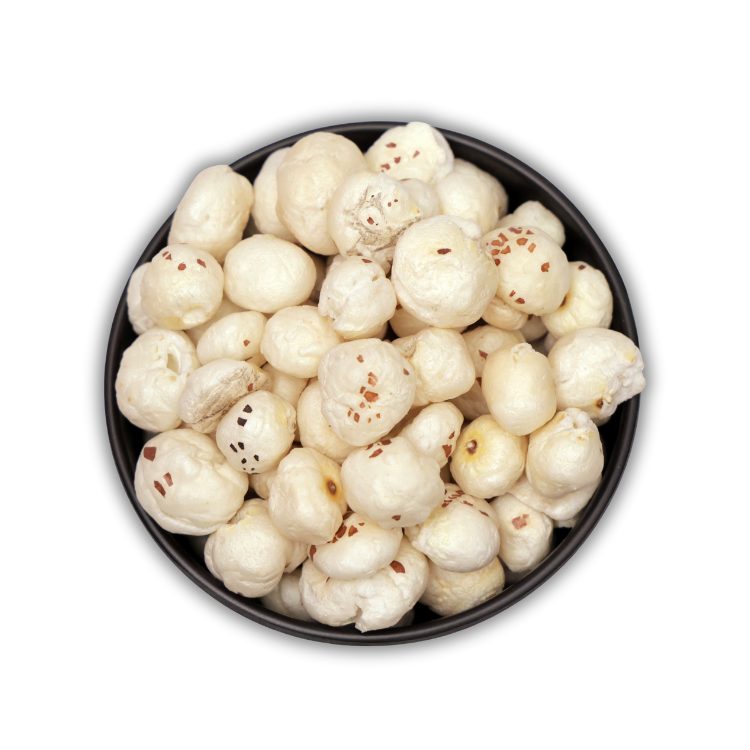
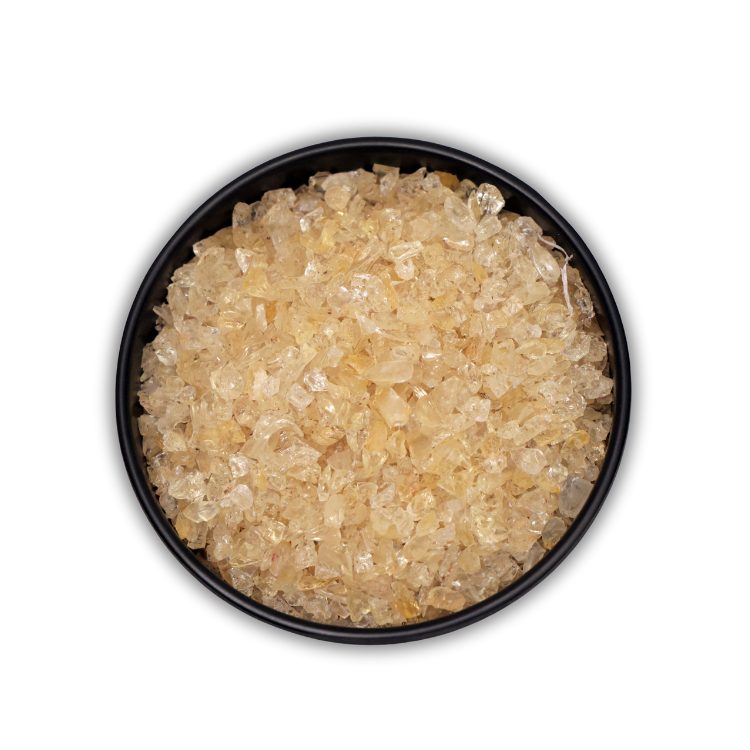
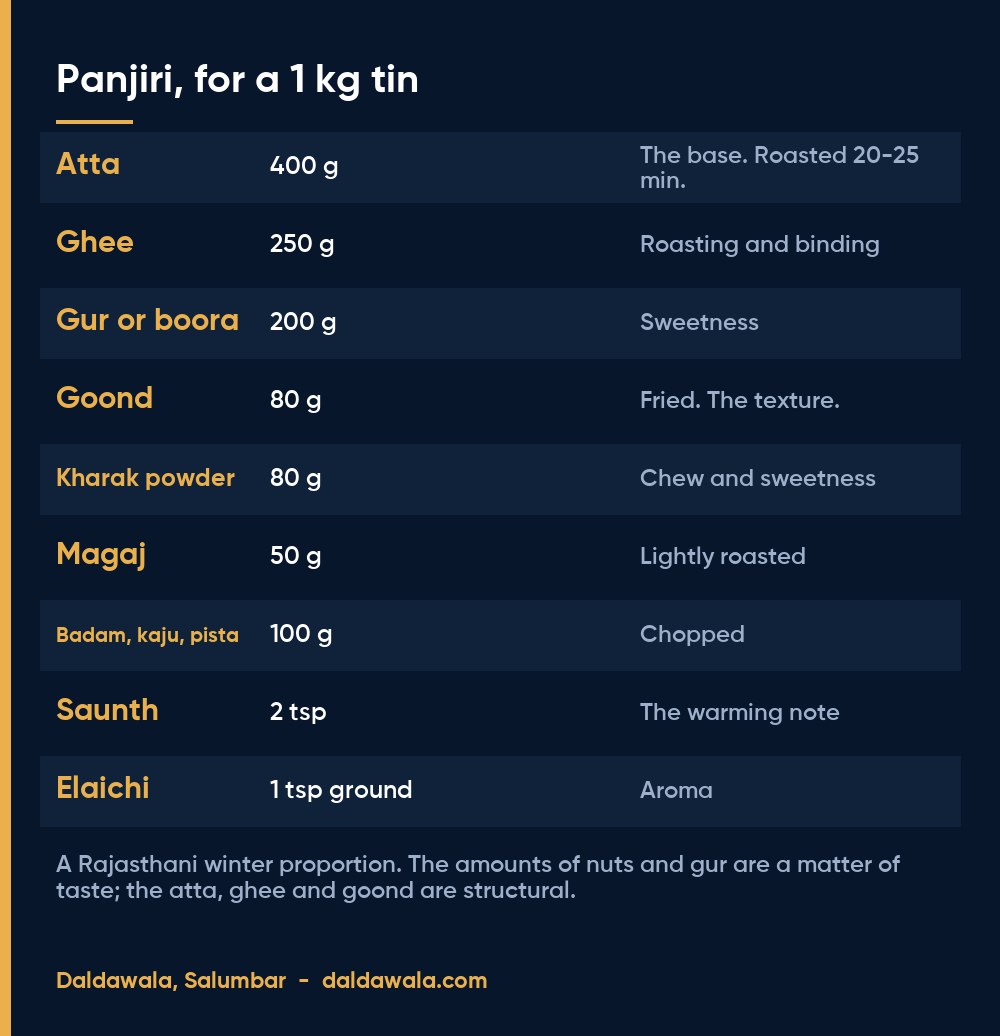
Goond provides texture - light, crisp pieces through an otherwise uniform powder. Fried in ghee until it puffs white. This is the same technique as for winter ladoo and the same mistake is common: too-hot ghee gives pieces that are brown outside and hard inside.
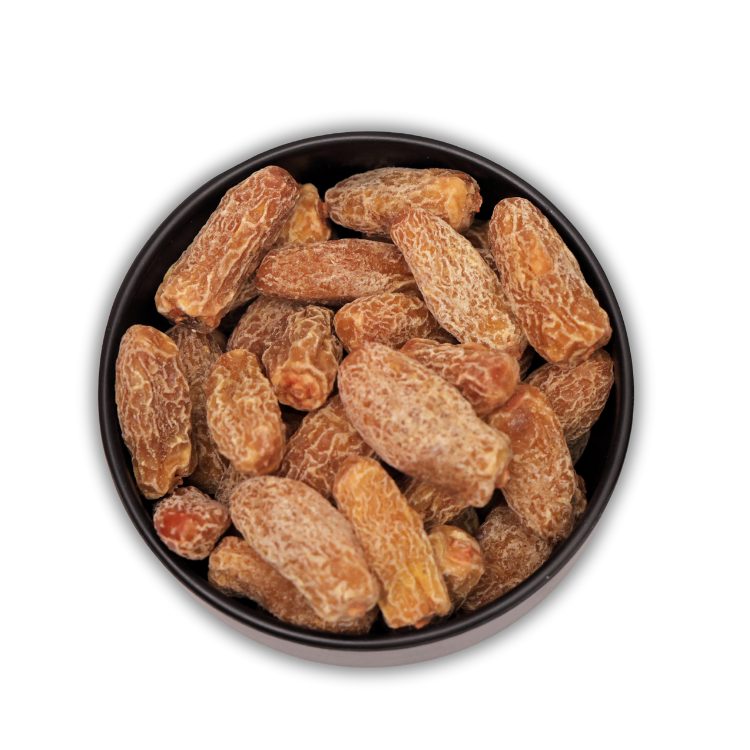
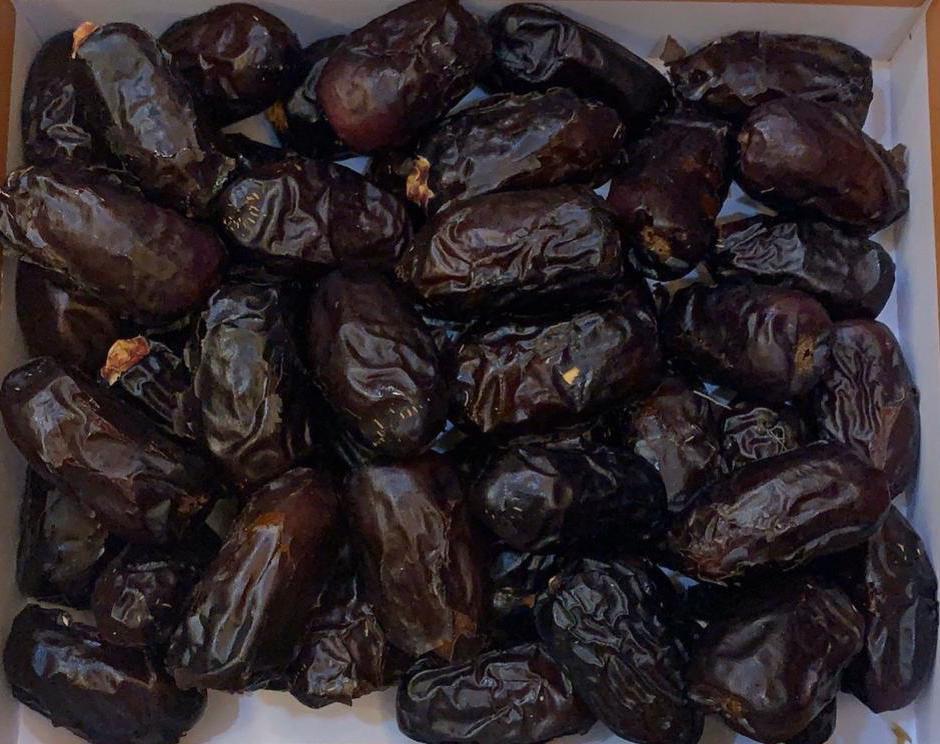
Kharak - dried dates, ground coarsely - gives a chew and a different kind of sweetness from the gur. It is also the traditional ingredient for new mothers, on the strength of iron and fibre.
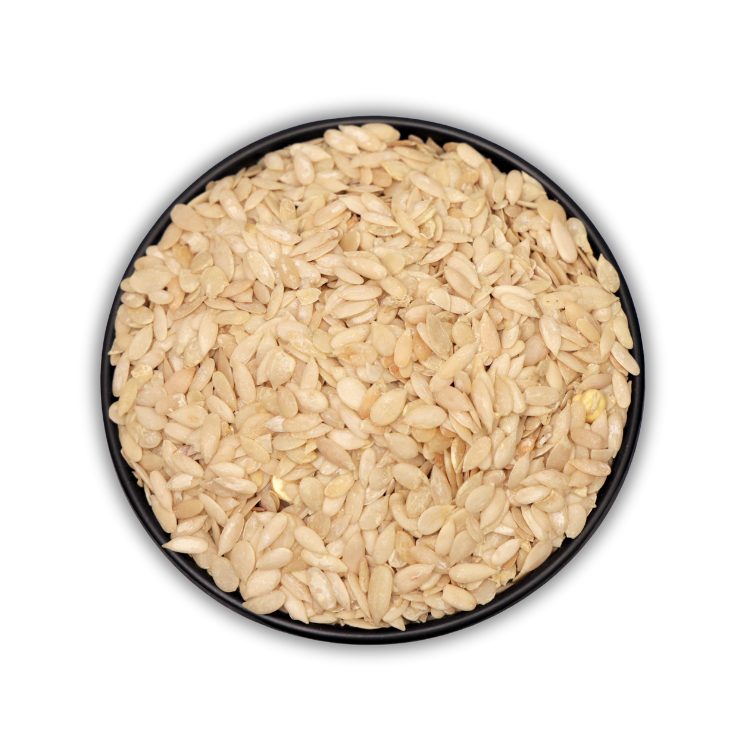
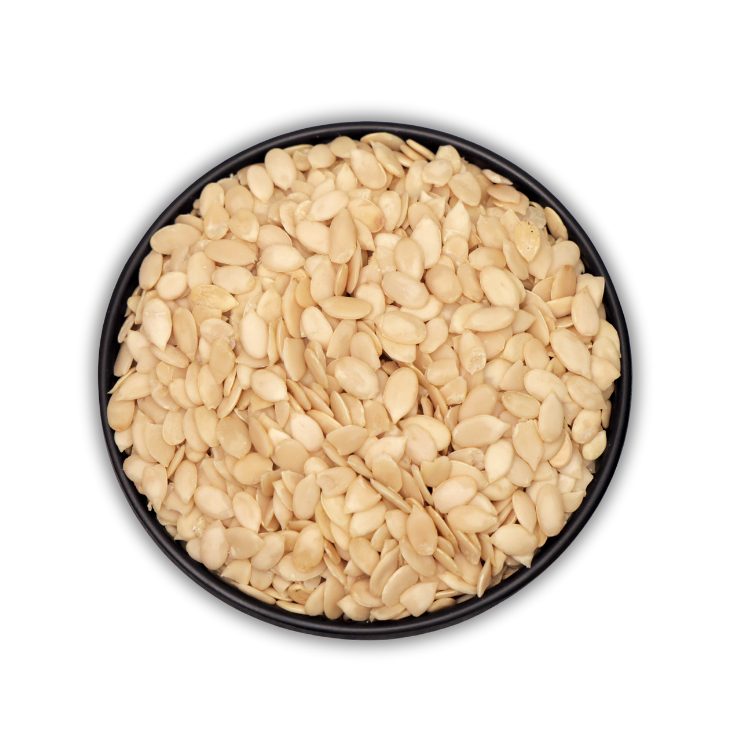
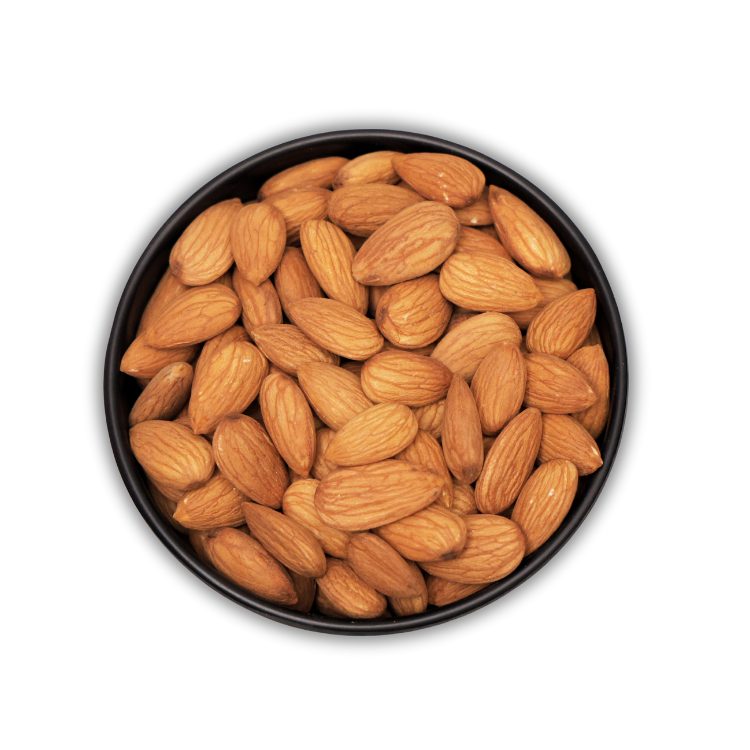
Magaj adds texture and a little richness. Lightly roasted, a minute or two, and added whole.
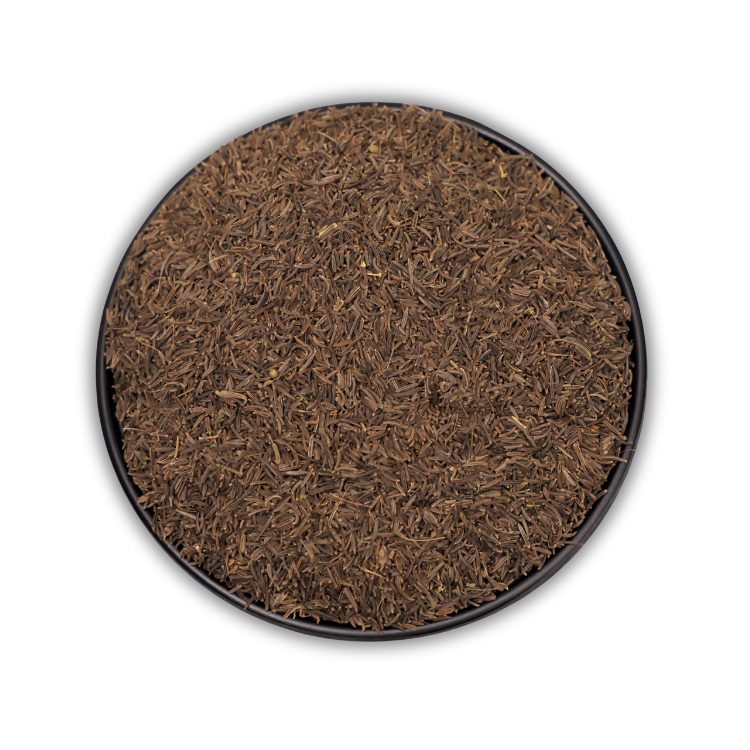
Saunth is the warming note, and in a winter mix it is doing real work. Two teaspoons for a kilo.
Ghee is not negotiable. It roasts the atta, fries the goond and binds the mixture. Panjiri made with less ghee is dry, dusty and does not keep.
The new mother tradition, honestly
Panjiri is given to women after childbirth across north India, and the reasoning behind it is sound as far as it goes: it is extremely energy-dense, easy to eat in small amounts, keeps without refrigeration, and carries iron and calcium from the kharak, the nuts and the seeds.
For a woman recovering from birth, feeding a baby, and often not in a position to cook for herself, a tin of something nourishing that needs no preparation is a genuinely useful thing.
What it is not is a medical intervention. The specific claims - that it helps the uterus contract, that it increases milk supply, that it strengthens bones - range from plausible to unsupported. Postnatal recovery needs a doctor's attention and, usually, iron and calcium supplements that food will not replace.
Eat the panjiri. It is good, and it is kind. Take the tablets as well.
Keeping it
Two months in an airtight tin at room temperature through winter, provided the atta was properly roasted and everything was completely cool before it went in.
Do not refrigerate. The ghee hardens and the texture turns unpleasantly firm, and it draws condensation every time the tin comes out.
If it has gone slightly soft, five minutes in a dry pan on a low flame will bring it back. If it smells of anything other than roasted atta and ghee, the nuts have turned and it is finished.
How to roast the atta for panjiri
- Heavy kadhai, low flame, ghee first. Let the ghee melt completely before the atta goes in.
- Add the atta and stir. It will look pasty and wrong for the first five minutes. That is normal.
- Keep stirring for twenty minutes. Low flame throughout. High heat colours the outside and leaves the inside raw.
- Watch for the colour change. Deep sand, several shades darker than raw atta. Not brown.
- Trust the smell, not the clock. It should smell nutty and roasted. If it still smells floury, keep going.
- Take it off and spread it out. On a wide plate, so it stops cooking and cools evenly.
Buying it in Salumbar
Our dry fruits is on this site with the weight and the price on every pack. Order before 5 PM and it reaches you the same day inside Salumbar, free over ₹200. We have been on Sadar Bazar since 1961. If you would rather just say what you want, send it on WhatsApp and we will confirm the price before we pack anything.
Questions people ask
How long should atta be roasted for panjiri?
Twenty to twenty-five minutes on a low flame, until it is a deep sand colour and smells nutty rather than floury. The smell is a better guide than the clock.
Can I make panjiri with less ghee?
Not successfully. The ghee roasts the atta, fries the goond and binds the mix. Less ghee gives a dry, dusty panjiri that goes stale quickly.
How long does panjiri keep?
Two months in an airtight tin at room temperature in winter, if the atta was properly roasted. Do not refrigerate - the ghee hardens.
Is panjiri good for new mothers?
It is energy-dense, needs no preparation and carries iron and calcium, which makes it genuinely useful after birth. It does not replace prescribed supplements.
Why is my panjiri hard in places?
Under-fried goond. It needs medium-hot ghee and should puff white; too-hot ghee browns the outside and leaves the inside hard.
Can I use sugar instead of gur?
Yes, or boora, which dissolves more evenly. Gur gives the deeper traditional taste and a little more iron.



 (1).jpg)