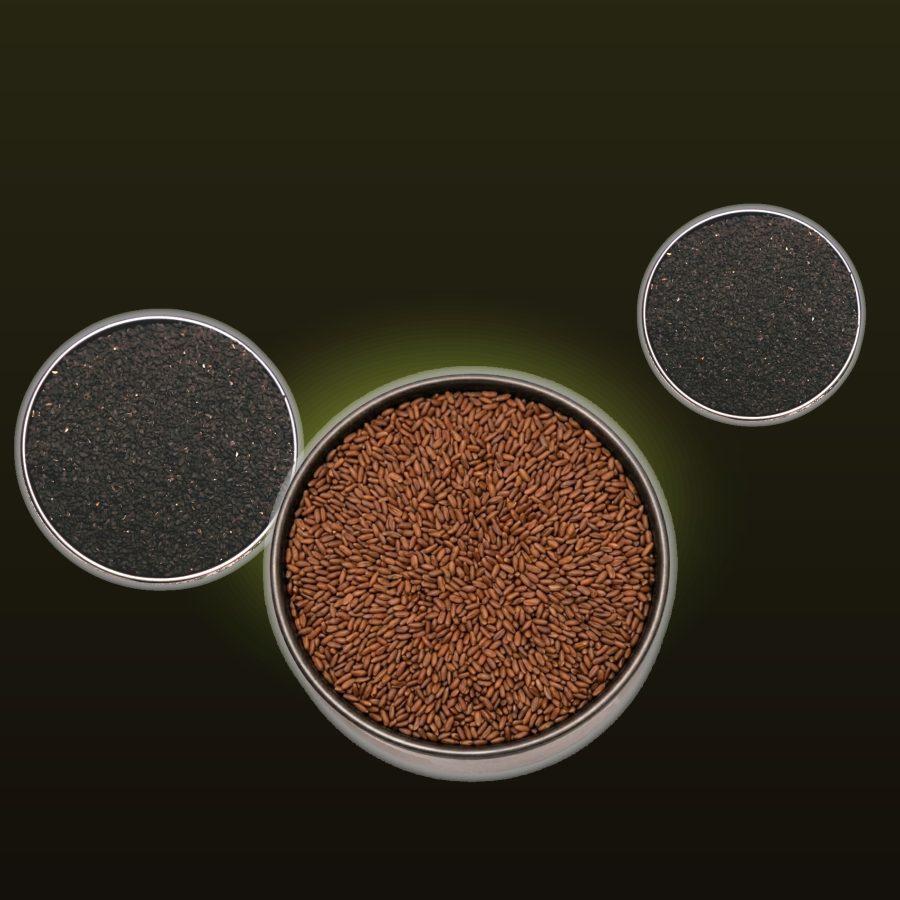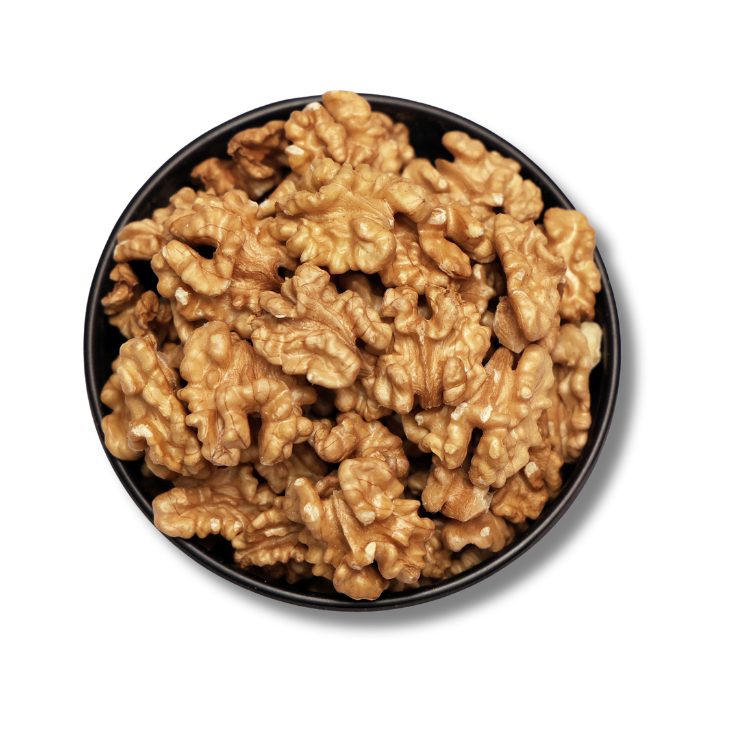
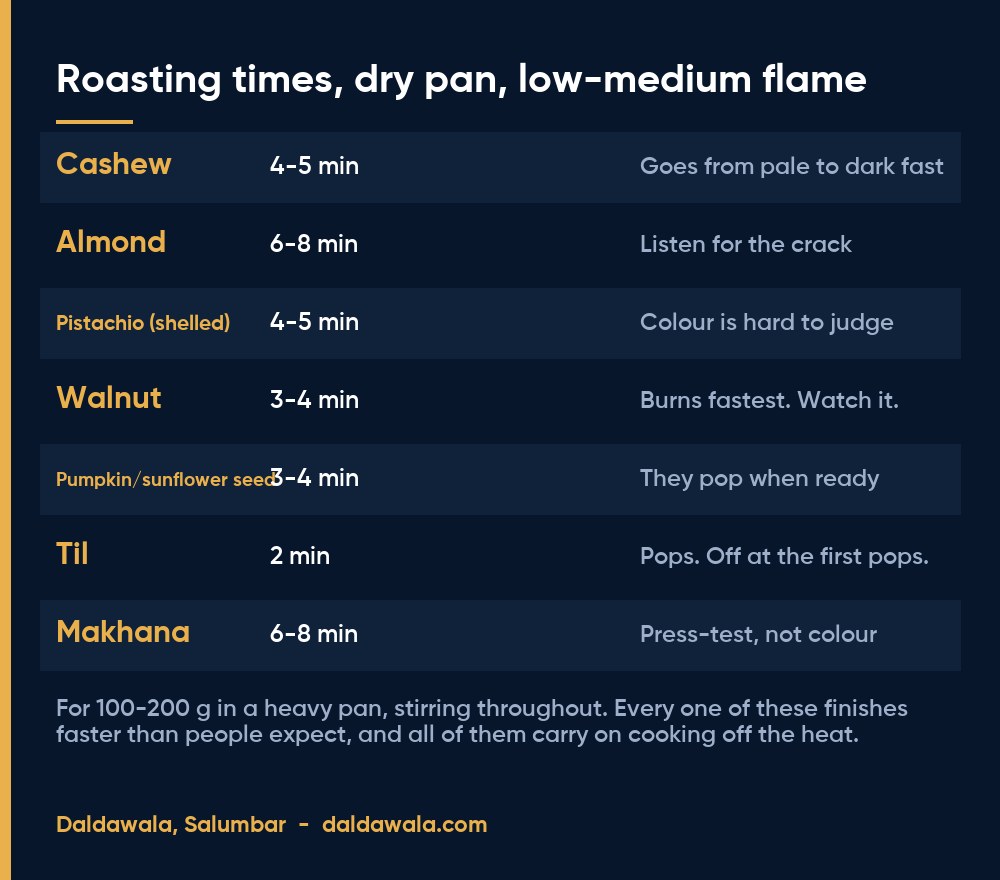
Roasting is the cheapest improvement available to anything in a dry fruit shop, and it is also the easiest to overshoot by thirty seconds. The difference between a perfectly roasted cashew and a bitter one is about half a minute.
Short answer: Nuts carry on cooking after they leave the pan. Take them off a shade lighter than you want and tip them onto a cold plate immediately - leaving them in the hot pan is how most home roasting goes too far.
Why a dry pan and a low flame
Roasting is about driving moisture out and browning the surface sugars and proteins. Both happen gradually and both need the heat to reach the middle of the nut, not just scorch the outside.
A high flame browns the surface long before the inside is done, which gives you a nut that looks roasted and tastes raw in the middle - and burnt patches, because the contact points cook faster than the rest.
A heavy pan matters for the same reason: it holds an even temperature and does not develop hot spots. A thin aluminium tawa will scorch a batch of cashews in patches however carefully you stir.
Oil is not needed and mostly gets in the way. Dry roasting gives a cleaner taste and keeps much better - oil-roasted nuts go rancid noticeably faster.
The carry-over problem
This is the thing that catches everyone. A nut that comes off the heat at exactly the colour you wanted will be a shade darker by the time it cools, because the inside is still hot and the browning continues.
Worse, nuts left in the hot pan after the flame is off keep cooking at nearly full rate for a minute or more, which is enough to take a good batch past the line.
So: take them off a shade lighter than you want, and tip them immediately onto a cold plate or tray spread in a single layer. Not into a bowl, where the ones in the middle stay hot.
What to listen for, nut by nut
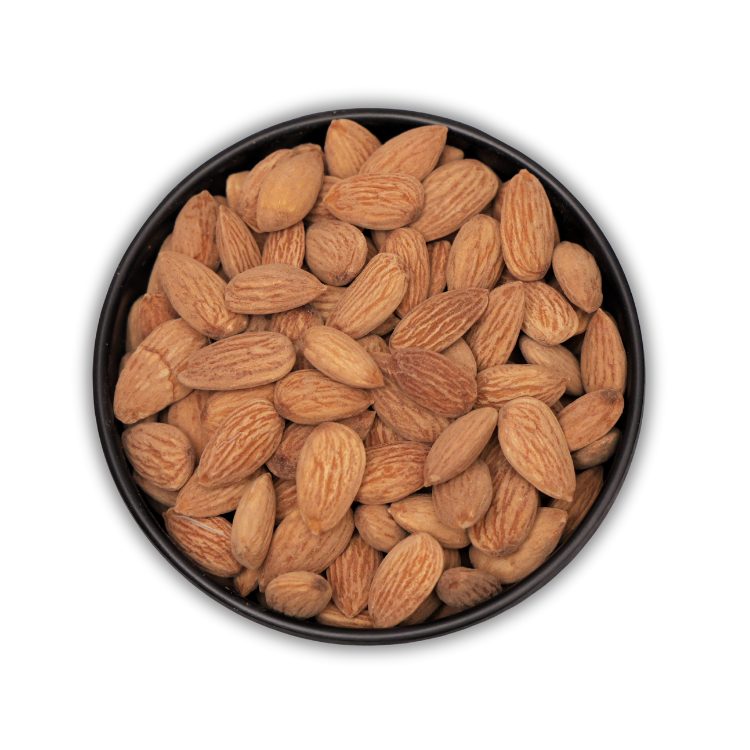
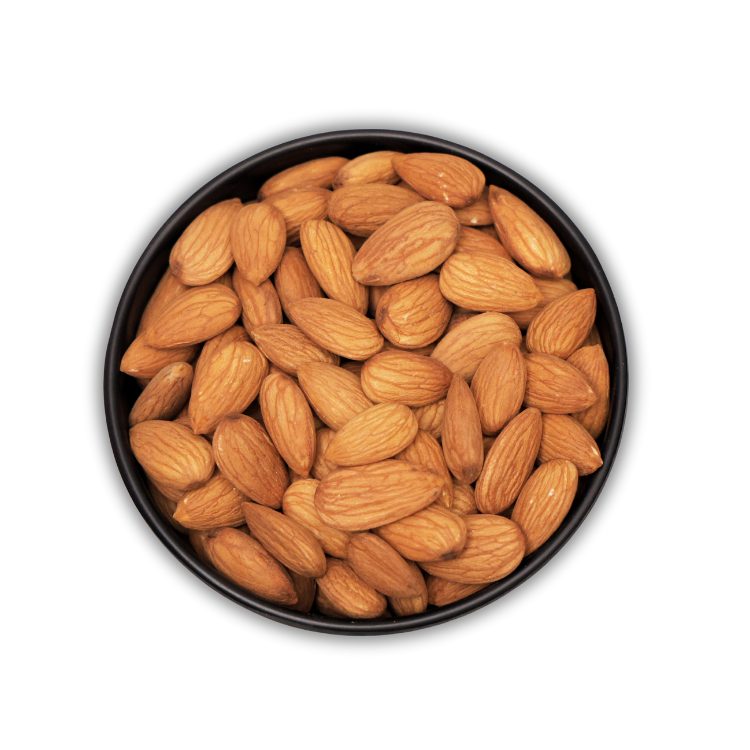
Almonds crack audibly when they are nearly done - a quiet, intermittent tick. When you hear it, you have about a minute left.
Seeds pop and jump. The first pops mean thirty seconds to go; when the popping slows, they are finished.
Til is the fastest and the least forgiving - two minutes, and off at the first serious popping.
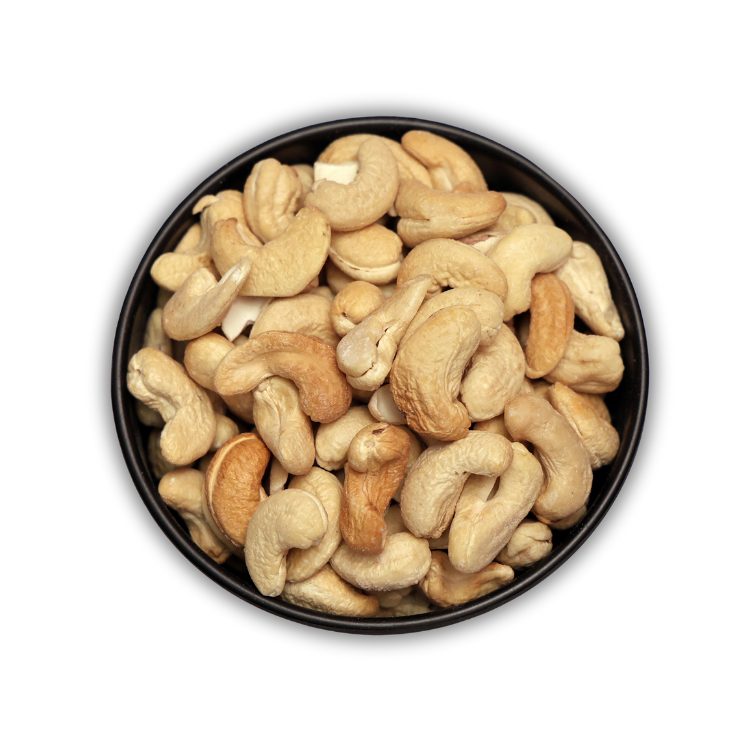
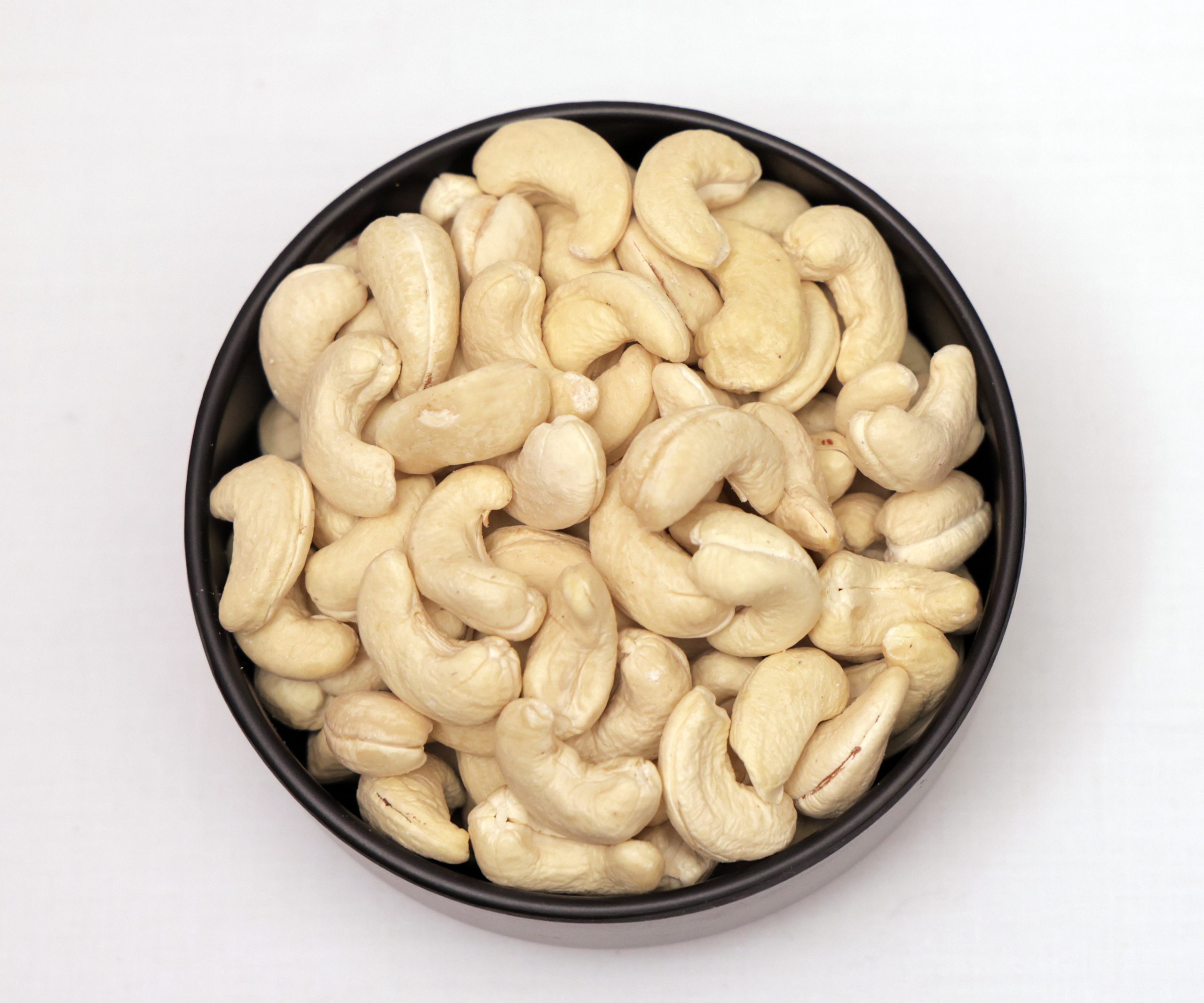
Cashews give no audible warning, which is why they go wrong most often. Go by colour and start checking at four minutes.
Walnuts burn fastest of all because of the oil content and the irregular surface. Three to four minutes and constant attention.
Salting, seasoning and keeping
Salt goes on off the heat while the nuts are still hot, tossed in a bowl. Salt added to the pan sits on the metal and burns.
For salt to stick to a dry-roasted nut you need a little moisture - a few drops of water tossed through while hot works, or half a teaspoon of oil. Fine salt sticks better than coarse.
Masala seasonings - chaat masala, chilli, black pepper - go on the same way. Anything with amchur in it will make the nuts go soft faster, so season small batches you will finish in a few days.
Cool completely before storing. Warm nuts in a jar make their own steam and go soft overnight. Roasted nuts keep about half as long as raw ones, so roast what you will eat in a month rather than the whole kilo.
How to roast cashews in a pan
- Heavy pan, low to medium flame, no oil. A thin pan scorches in patches no matter how much you stir.
- Single layer, 100 to 200 g. Crowding steams the ones underneath instead of roasting them.
- Stir constantly for four minutes. Cashews give no audible warning, so attention is the only safeguard.
- Start checking the colour at four minutes. You want pale gold. It goes from pale gold to brown in under a minute.
- Off the heat a shade early. They carry on browning from their own heat.
- Tip onto a cold plate at once. Single layer. Left in the pan they keep cooking.
- Salt while hot. A few drops of water first so it sticks. Toss in a bowl, not the pan.
- Cool fully before the jar. Warm nuts steam themselves soft overnight.
Buying it in Salumbar
Our dry fruits is on this site with the weight and the price on every pack. Order before 5 PM and it reaches you the same day inside Salumbar, free over ₹200. We have been on Sadar Bazar since 1961. If you would rather just say what you want, send it on WhatsApp and we will confirm the price before we pack anything.
Questions people ask
Do I need oil to roast nuts?
No, and dry roasting keeps better - oil-roasted nuts go rancid faster. A few drops of oil or water helps salt stick, which is a different purpose.
Why do my roasted nuts taste bitter?
They went too far. The window between properly roasted and burnt is about thirty seconds, and nuts keep cooking after they leave the heat.
How long do roasted nuts keep?
About half as long as raw - roughly two to three months in an airtight jar, less in summer. Roast what you will eat in a month.
Can I roast nuts in a microwave?
In short bursts with stirring between, yes, but the result is less even than a pan and there is no colour cue until it is too late.
Is roasted or raw healthier?
Roasting costs a little vitamin content and nothing else of consequence. Choose on taste and on how long you need them to keep.
How do I make salt stick to dry-roasted nuts?
A few drops of water or half a teaspoon of oil tossed through while they are hot, then fine salt. Coarse salt falls off.



 (1).jpg)