Soaked almonds in the morning is one of the most widespread Indian habits and one of the most over-explained. There is something real behind it, and it is smaller and more specific than the usual account.
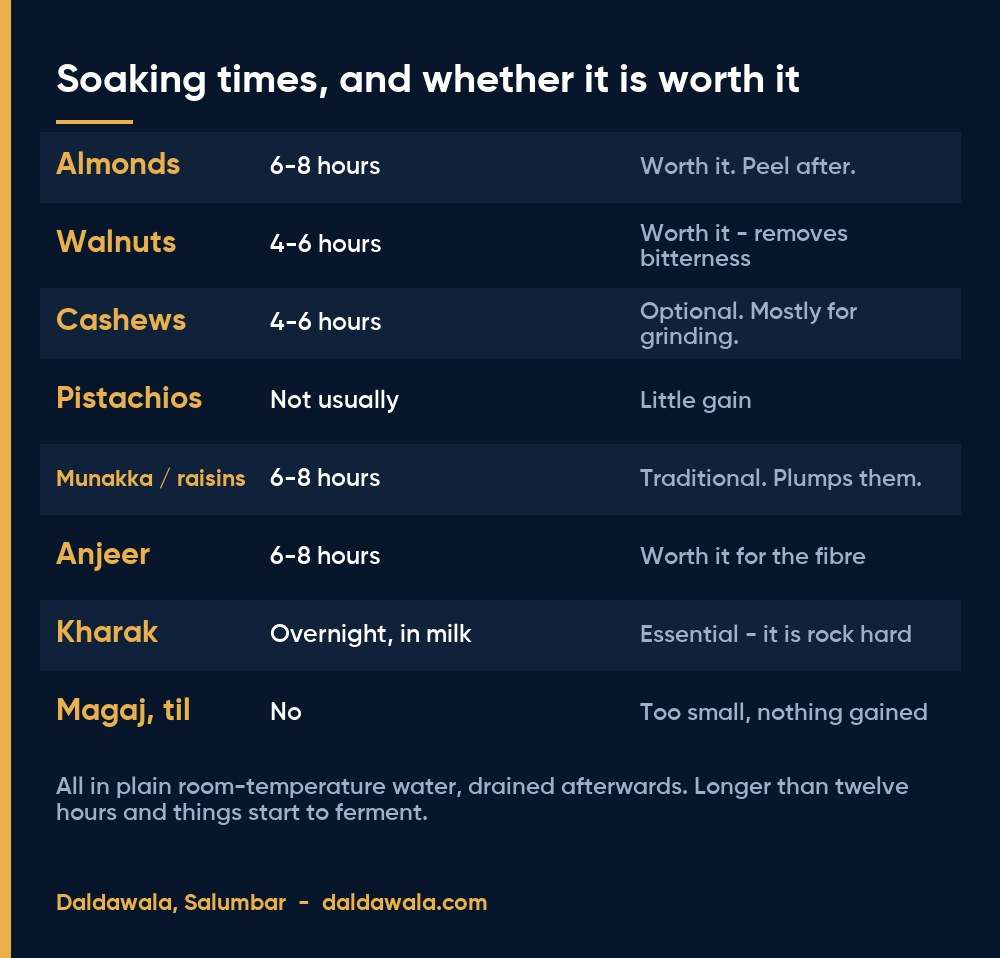
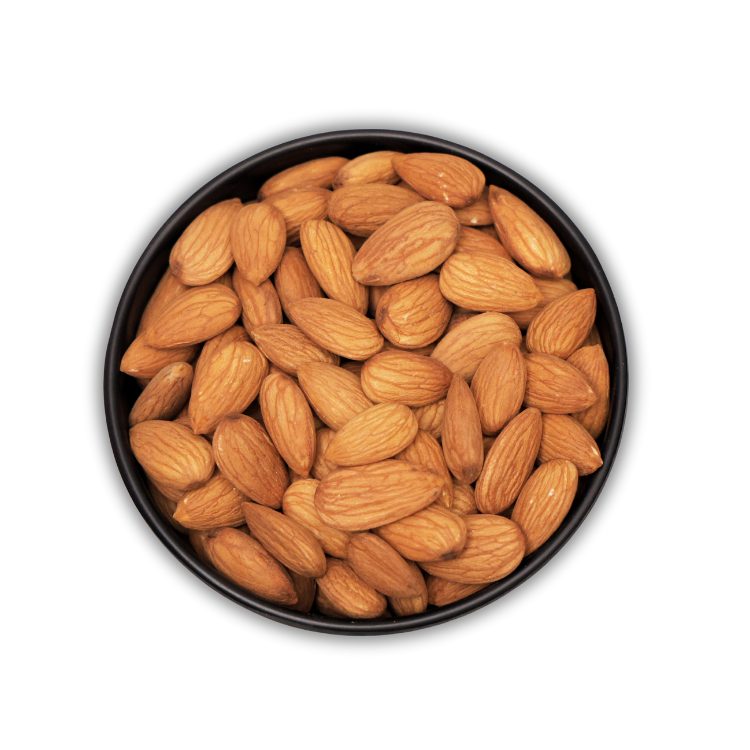
Short answer: Soaking does three real things: softens the nut, leaches some phytate so minerals absorb a little better, and removes skin bitterness. It does not create nutrients or 'activate' anything. Six to eight hours, in plain water, drained.
The three things it genuinely does
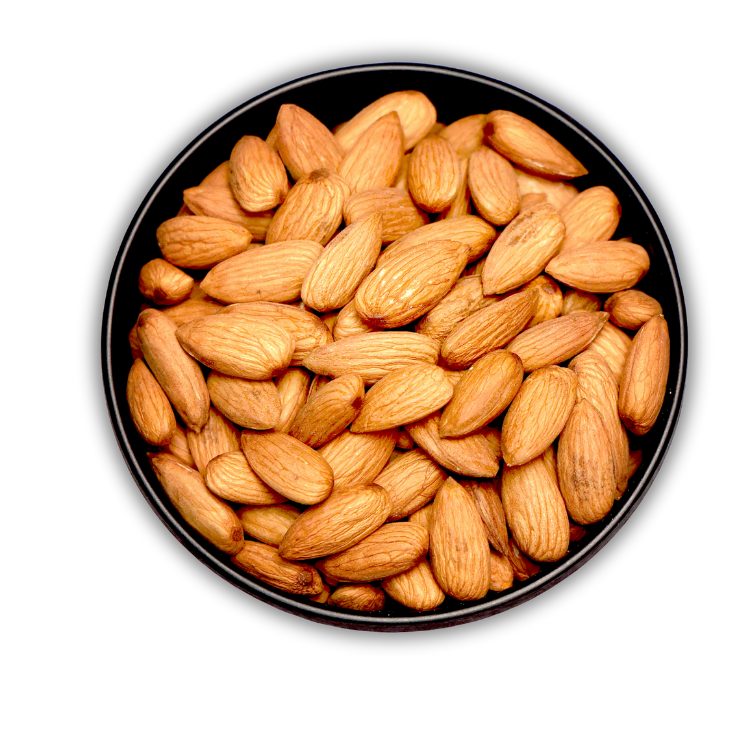
It softens. Obvious and underrated. A soaked almond is easier to chew and easier to digest, which matters for children, for older people, and for anyone whose stomach finds raw nuts heavy.
It removes some phytate. Phytic acid binds minerals - iron, zinc, calcium - and reduces how much of them you absorb. Soaking leaches some of it into the water, which is why you drain the water and do not drink it. The effect is modest and real.
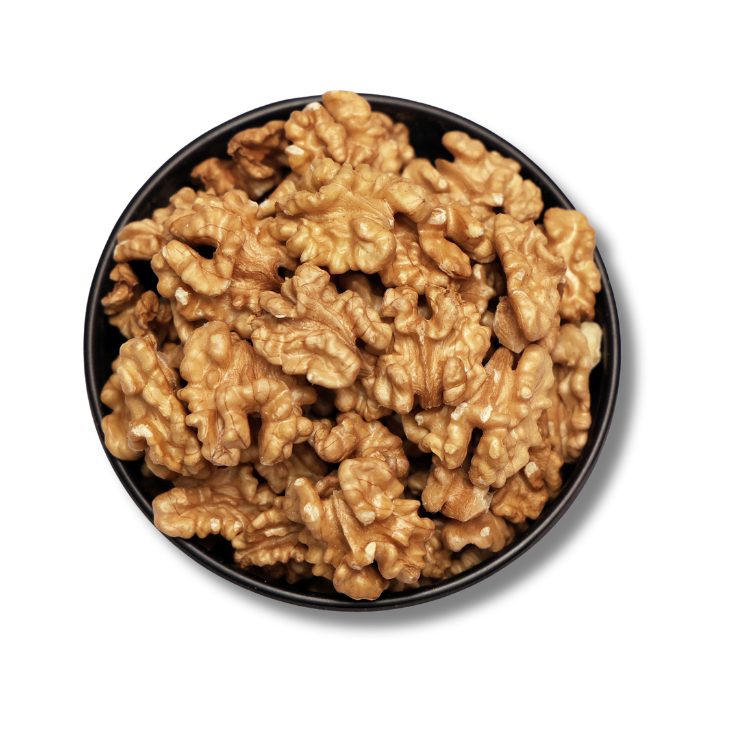
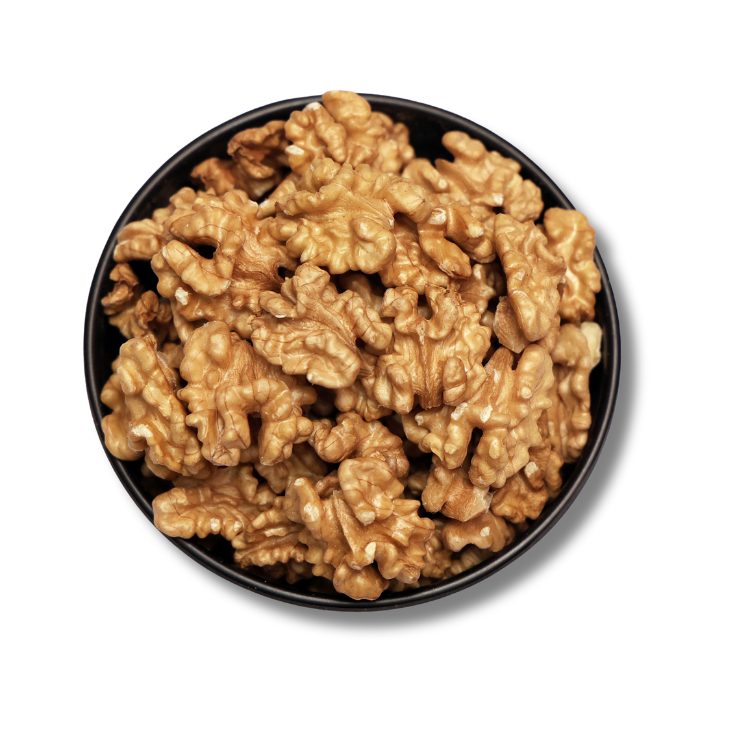
It removes skin bitterness. Almond and walnut skins carry tannins. Soaking draws them out, which is why the soaking water turns brown and why a soaked walnut tastes sweeter than a dry one.
What it does not do
It does not add nutrients. A soaked almond has no more protein, fat or vitamin E than a dry one. It has slightly less of some water-soluble things, which went into the water.
It does not 'activate' the nut. This word gets used a great deal and means nothing in particular. Sprouting - soaking until a shoot appears - does change a seed's chemistry, but almonds sold in India are almost all pasteurised and will not sprout, and nobody soaking almonds overnight is sprouting anything.
It does not make an unhealthy nut healthy. A rancid almond soaked overnight is a wet rancid almond.
It does not matter much if you skip it. If you eat a varied diet and have no digestive trouble with raw nuts, the gain from soaking is small. It is a nice habit, not a requirement.
Doing it properly
Plain room-temperature water, twice the depth of the nuts. Not hot water - it starts cooking them and the texture goes slimy. Not salted, not with anything added.
Six to eight hours for almonds, which is why overnight is the standard. Longer than twelve and they begin to ferment, which you will smell.
Drain and rinse. The water carries the phytate and the tannins you were removing, so it goes down the sink. The occasional advice to drink the soaking water gets this exactly backwards.
Peel almonds if you want - the skins slip off easily after soaking. The skins carry most of the antioxidants and some of the bitterness, so peeling is a taste decision and a small nutritional loss.
Eat them the same day. Soaked nuts are wet nuts and wet nuts spoil; keep them in the fridge if there is a gap.
The kharak exception
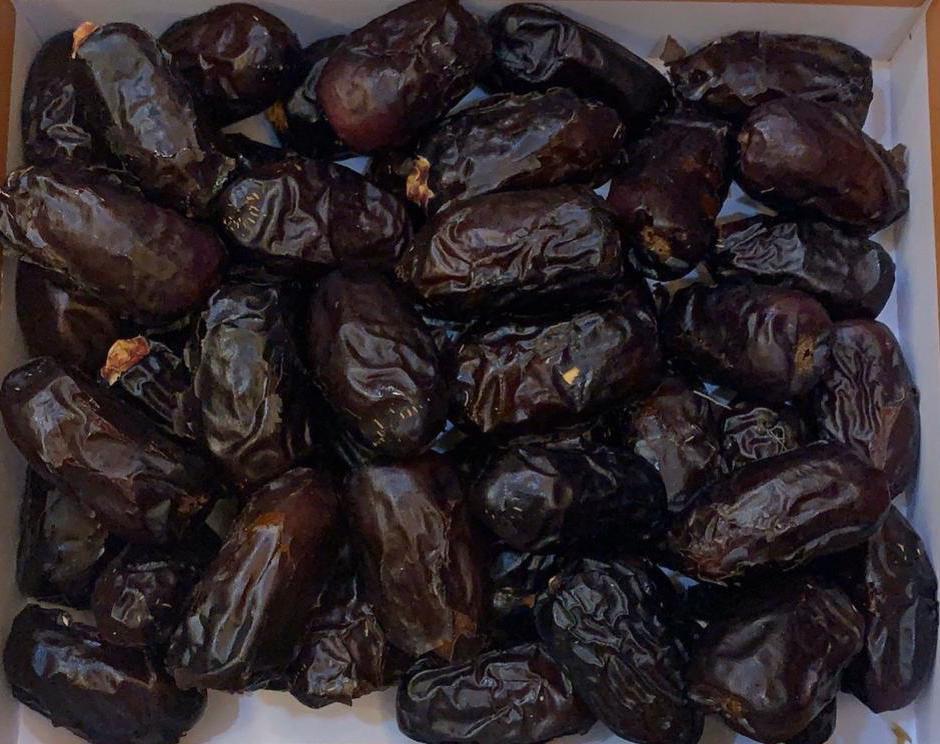
Kharak - dried dates - is the one item on this list where soaking is not optional. It is dried rock hard and is essentially inedible otherwise.
The traditional method is overnight in milk rather than water, which softens it and makes a drink at the same time. Two or three kharak in a glass of milk, left overnight, eaten and drunk in the morning, is a standard Rajasthani winter habit and a genuinely good one.
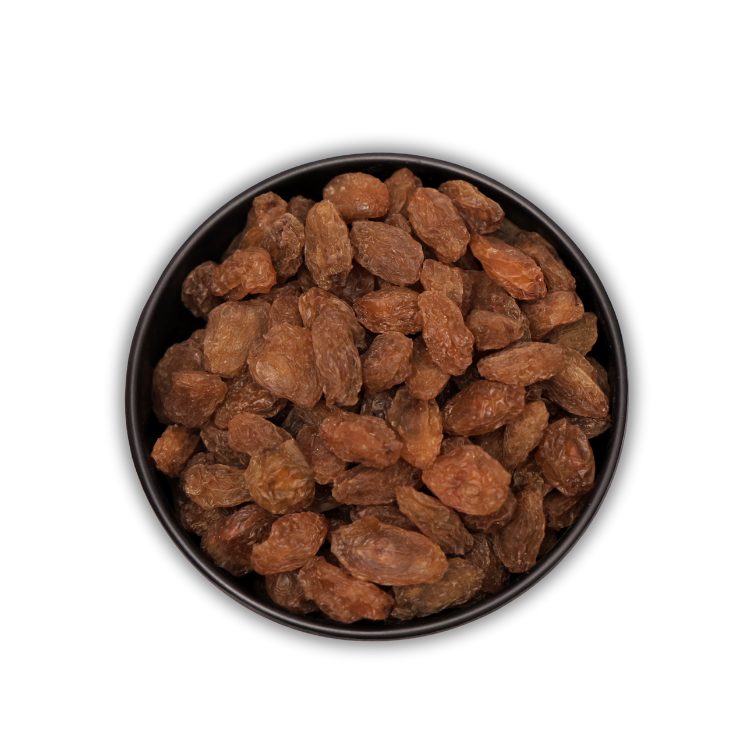
Munakka is often done the same way for the same reason, and the milk picks up a surprising amount of sweetness from both.
How to soak almonds overnight
- Count out what you will eat. Six to eight per person. Soaked nuts are easy to over-eat because they stop feeling rich.
- Cover with room-temperature water. Twice their depth. Not hot - hot water makes them slimy.
- Leave six to eight hours. Overnight is simplest. Past twelve hours they start to ferment.
- Drain and rinse. The water holds the phytate and tannins you removed. Throw it away.
- Peel if you prefer. The skins slip off easily. It is a taste choice - the skin carries antioxidants and some bitterness.
- Eat the same day. Wet nuts spoil. Keep them in the fridge if you are not eating them at once.
Buying it in Salumbar
Our dry fruits is on this site with the weight and the price on every pack. Order before 5 PM and it reaches you the same day inside Salumbar, free over ₹200. We have been on Sadar Bazar since 1961. If you would rather just say what you want, send it on WhatsApp and we will confirm the price before we pack anything.
Questions people ask
Why should almonds be soaked?
It softens them, removes some phytate so minerals absorb a little better, and takes the bitterness out of the skin. It does not add anything.
Should I drink the soaking water?
No. It holds the phytate and tannins you soaked the nuts to remove. Drain it.
How long should nuts be soaked?
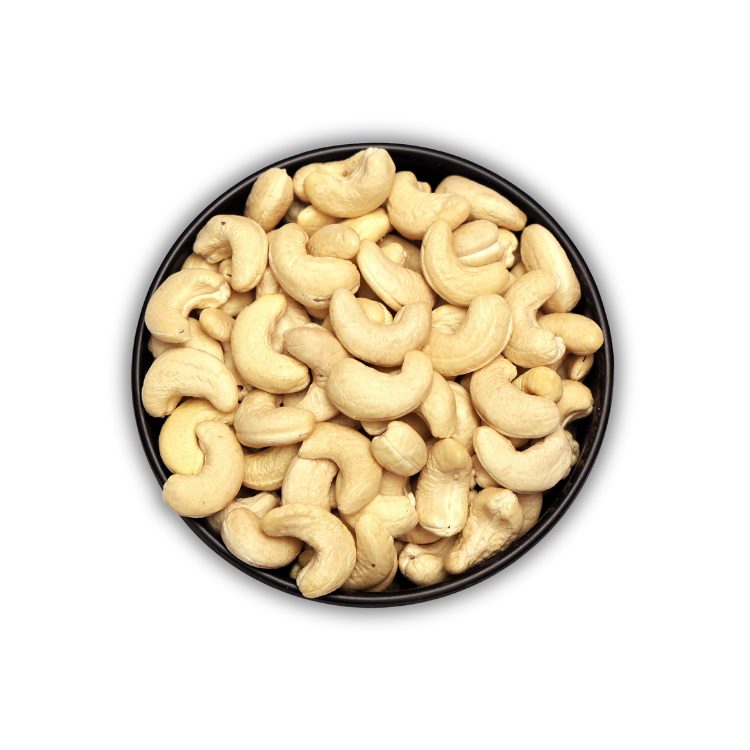
Six to eight hours for almonds, four to six for walnuts and cashews. Beyond twelve hours they start to ferment.
Is it bad to eat nuts without soaking?
No. Soaking is a small improvement in digestibility and mineral absorption. If raw nuts suit you, eat them raw.
Does soaking 'activate' nuts?
Not in any meaningful sense. Almonds sold in India are mostly pasteurised and will not sprout. The word is marketing.
Should almonds be peeled after soaking?
Your choice. The skin carries most of the antioxidants and some bitterness. Peel if you dislike the bitterness.


 (1).jpg)