A mukhwas shelf looks like eight versions of the same thing. They divide quite cleanly into three groups, and one of those groups is worth treating differently from the other two.
Short answer: Mukhwas divides into three kinds: seed mixes built on saunf and til, sugar-coated mixes, and supari-based ones. The last contains areca nut, which is not something to give children or eat habitually.
The seed mixes
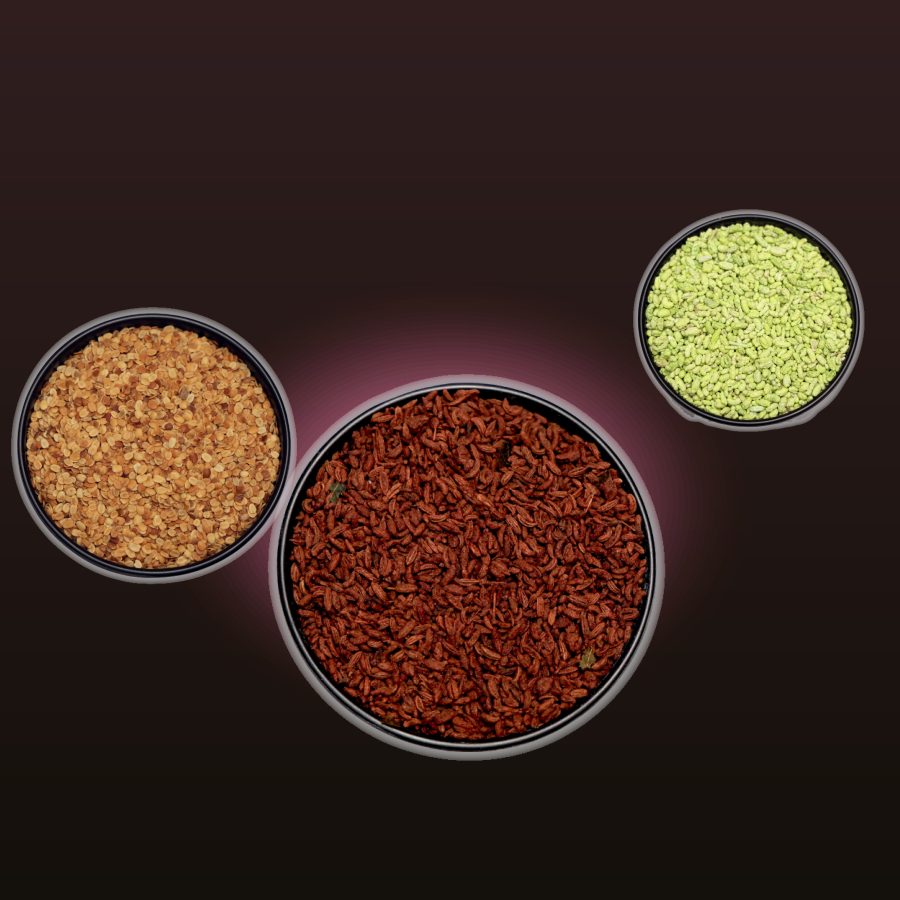
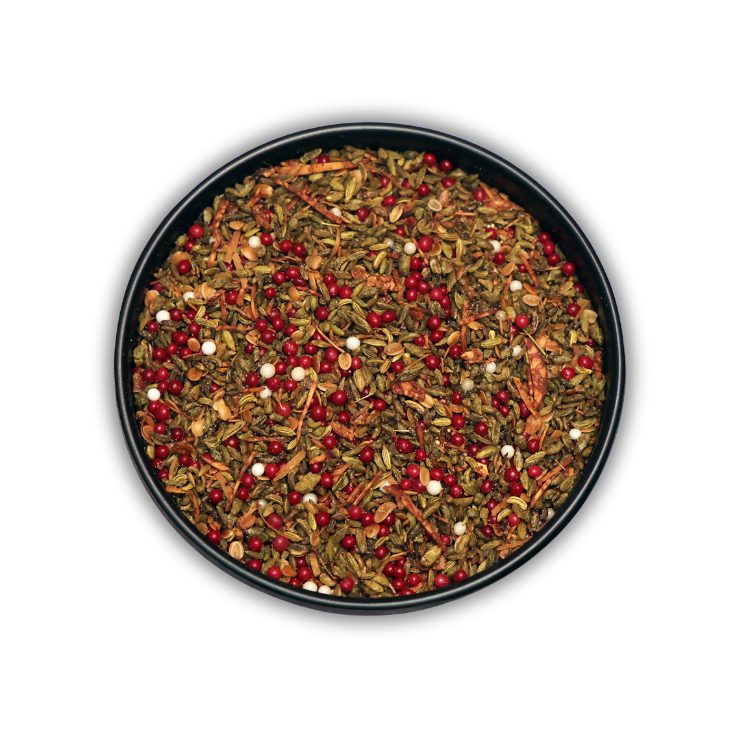
This is the largest group and the one most worth eating. Built on saunf, usually with til, roasted dhana dal, sometimes ajwain or flax, and salted rather than sugared.
Jaipuri mukhwas is the standard - savoury, slightly salty, with enough different seeds to be interesting. Roasted mukhwas is similar with a deeper toasted note. Roasted dhana dal on its own is the mildest thing on the shelf and is what to give someone who does not like strong flavours.
These are genuinely a reasonable thing to finish a meal with: fennel does ease bloating, sesame contributes a little calcium, and nothing in them is doing any harm.
The sweet ones
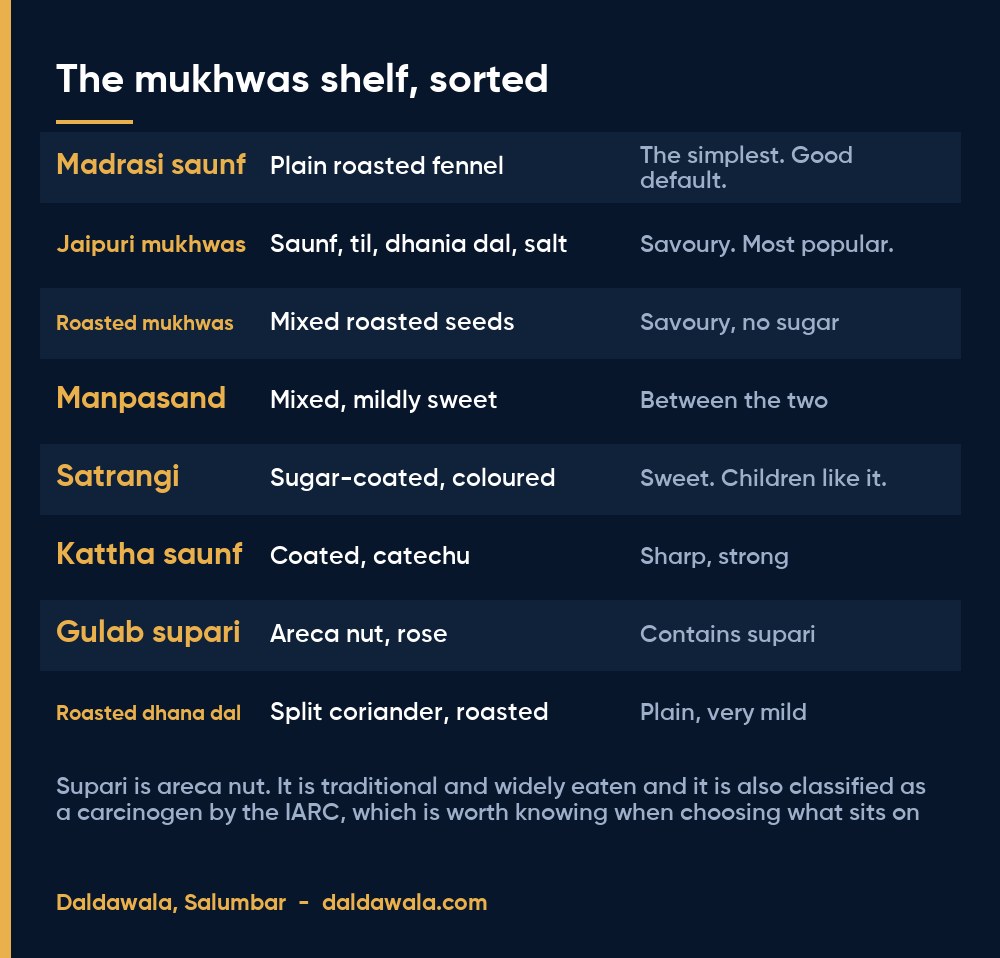
Satrangi mukhwas - the brightly coloured sugar-coated one - and the various sweet mixes are a confection rather than a digestive. The seeds inside are the same; the coating is sugar and colour.
There is nothing wrong with that as long as it is understood. A bowl of satrangi on the table is a small sweet, and children will eat it by the spoonful because it is essentially candy with fennel inside.
Kattha saunf sits oddly in this group - coated, but with catechu, which makes it sharp and astringent rather than sweet. People either like it a great deal or not at all.
The supari ones, and the honest note
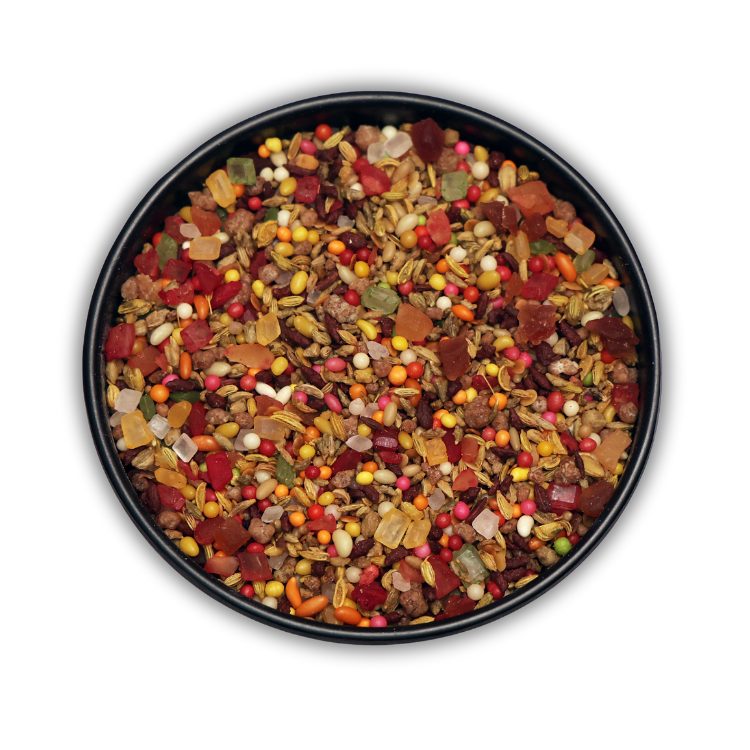
Gulab supari and the other supari preparations are based on areca nut - the betel nut itself, cut small and flavoured.
This is the group worth treating differently. Areca nut is classified as a Group 1 carcinogen by the International Agency for Research on Cancer, with a well-established link to oral cancer, and that classification applies to areca nut on its own, without tobacco.
It is also deeply traditional, eaten after meals across India for centuries, and nobody is going to stop selling it or eating it on the strength of a paragraph on a shop website. What is reasonable to say is: it is not the same category of thing as a bowl of saunf, it should not be the one you give children, and daily habitual use is different from occasional.
If you want something to keep on the table every day, make it a seed mix.
Keeping it fresh
Mukhwas goes stale quickly and the failure is unmistakable: it goes soft and tastes flat. The seeds are roasted, which means the oils are open to the air, and sugar coatings pull in moisture.
Small airtight jars, refilled from a larger stock, and finished within two months. The bowl that lives on the dining table should hold two or three days' worth, not a hundred grams.
If it has gone soft, a minute in a dry pan on a low flame will crisp the seed mixes again. The sugar-coated ones cannot be rescued that way - the coating melts.
Buying it in Salumbar
Our mukhwas and herbs is on this site with the weight and the price on every pack. Order before 5 PM and it reaches you the same day inside Salumbar, free over ₹200. We have been on Sadar Bazar since 1961. If you would rather just say what you want, send it on WhatsApp and we will confirm the price before we pack anything.
Questions people ask
What is mukhwas made of?
Usually fennel, sesame, split coriander and other roasted seeds, sometimes with a sugar coating. Some varieties are based on areca nut instead.
Which mukhwas is best for children?
A plain seed mix or roasted dhana dal. Avoid anything containing supari, which is areca nut.
Is supari harmful?
Areca nut is classified as a Group 1 carcinogen by the IARC, with a clear link to oral cancer, independent of tobacco. Occasional use is different from a daily habit, but it is not in the same category as a bowl of fennel.
What is the difference between mukhwas and saunf?
Saunf is fennel seed. Mukhwas is the broader category of after-meal mixes, most of which are built on fennel with other seeds added.
Why has my mukhwas gone soft?
It has taken on moisture. Seed mixes can be crisped again in a dry pan on a low flame; sugar-coated ones cannot.
How long does mukhwas keep?
About two months in a small airtight jar. Keep only a few days' worth in the bowl on the table.



 (1).jpg)