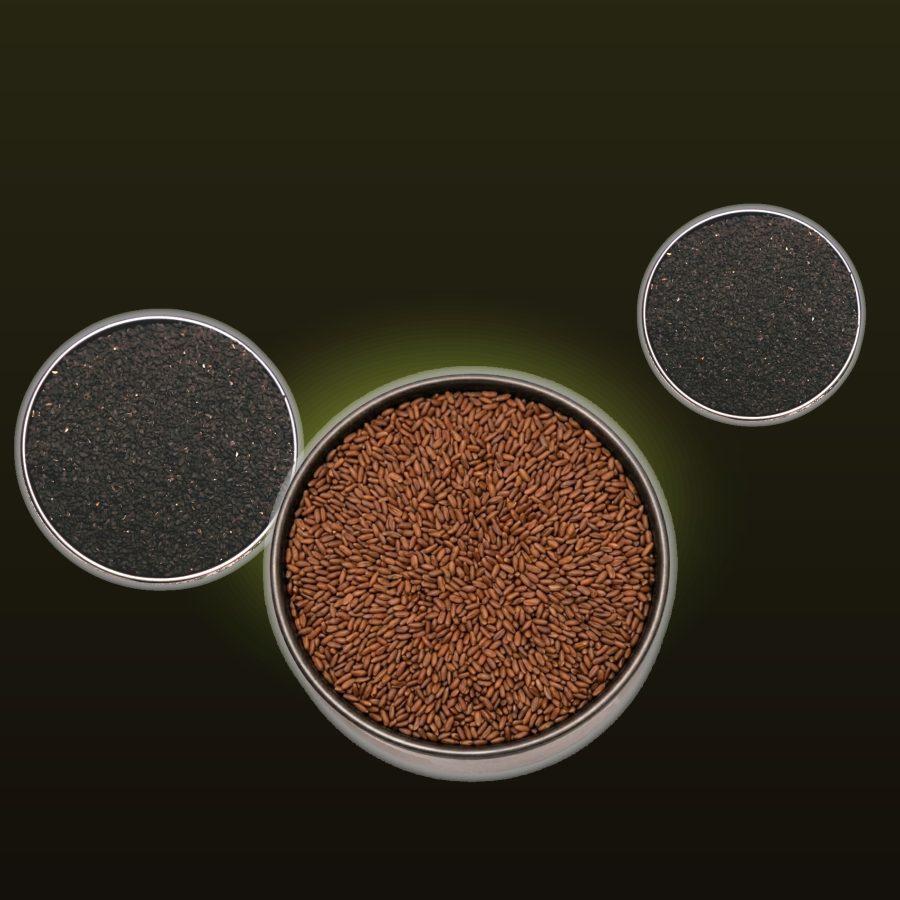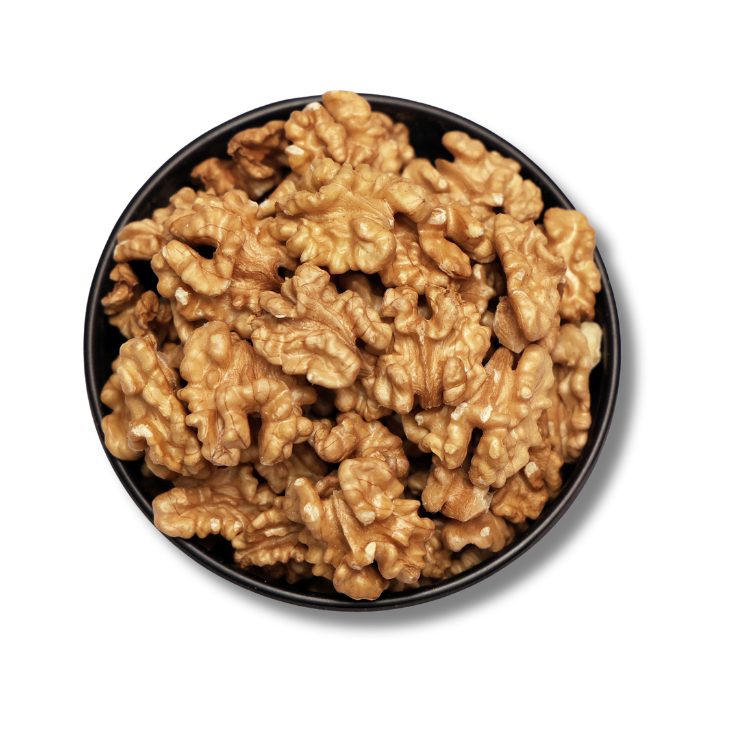
Cut open a nutmeg fruit and you find a seed wrapped in a bright red, lacy web. Dry the seed and you have jaiphal. Dry the web and you have javitri. One fruit, two spices, sold separately at quite different prices.
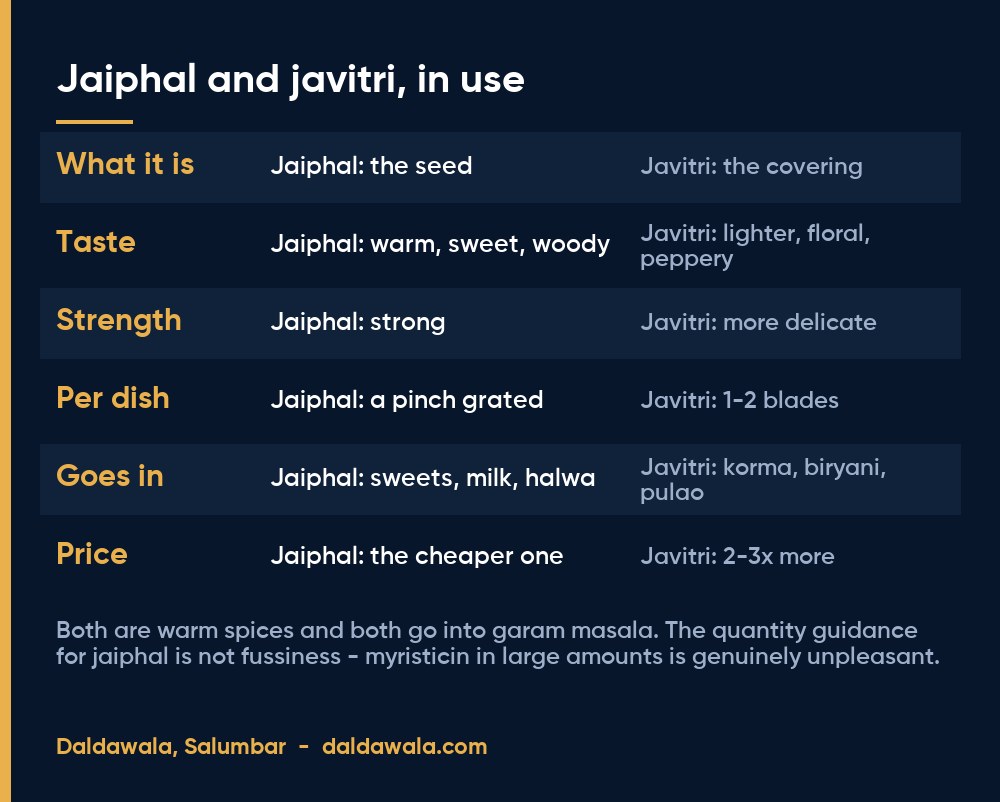
Short answer: Jaiphal is the hard seed; javitri is the red lacy covering that grows around it. Javitri is lighter and more floral; jaiphal is warmer and sweeter. A pinch of jaiphal is a serving - a whole one is genuinely too much.

Jaiphal: small amounts, warm results
Nutmeg is hard - genuinely wood-hard - and is meant to be grated, not chopped or pounded. A few strokes on the fine side of a grater produces a sweet, warm, slightly woody powder that belongs in milk-based sweets, in halwa, in kheer, in a masala milk at night.
It is also strong enough that a pinch is a portion for a whole dish. A common mistake is treating it like a mild spice and using half a nut; the result is medicinal and bitter.
Buy it whole. A grated nutmeg loses its aroma within weeks, and whole nuts keep for years - this is one of the longest-lived spices in a kitchen.
Javitri: lighter, more expensive, more savoury
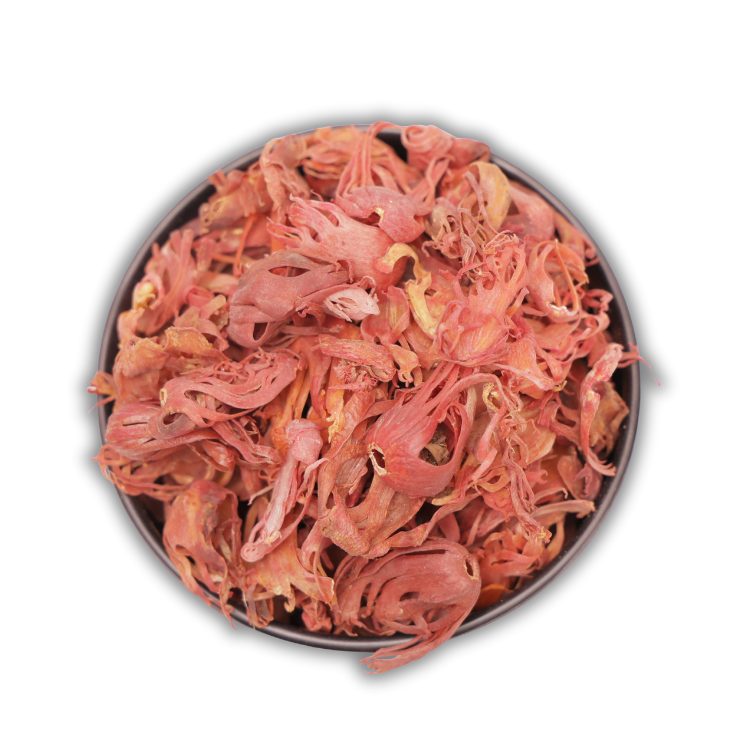
Mace comes off the seed in flat, brittle blades the colour of dried blood. It tastes like nutmeg's lighter relative - the same warmth but with a floral, faintly peppery edge and none of the heaviness.
Where nutmeg leans sweet, mace leans savoury. It belongs in korma, in biryani, in pulao, in the kind of white Mughlai gravy where a brown-flecked spice would be visible and unwelcome. One or two blades per dish, added whole with the oil or ground into the masala.
It costs two to three times what nutmeg does, for the straightforward reason that each fruit produces one seed and only a thin web around it.
The quantity warning, plainly
Nutmeg contains myristicin. In the pinches a recipe calls for, this is a complete non-issue and has been for centuries of cooking.
In much larger amounts - a whole nutmeg or two, eaten at once - it causes nausea, dizziness, a racing heart and confusion lasting many hours. This is not a theoretical risk; hospitals see cases.
Nobody reaches that by cooking. It is worth knowing because of the occasional idea that if a pinch of jaiphal helps someone sleep, a spoonful will help more. It will not, and it will be an unpleasant night.
Buying and storing both
Jaiphal: look for nuts that are heavy, round-oval and unbroken, with a slightly oily surface when scratched. A light nut is a dried-out nut. Give one a squeeze - it should be solid, with no give or rattle.
Javitri: look for blades that are a deep orange-red rather than pale brown, and brittle rather than limp. Pale mace has been bleached by light and has lost its oils.
Both keep remarkably well whole - two years and more - in an airtight jar away from the stove. Ground, both are finished within a couple of months.
Buying it in Salumbar
Our spices is on this site with the weight and the price on every pack. Order before 5 PM and it reaches you the same day inside Salumbar, free over ₹200. We have been on Sadar Bazar since 1961. If you would rather just say what you want, send it on WhatsApp and we will confirm the price before we pack anything.
Questions people ask
Are jaiphal and javitri the same?
They come from the same fruit. Jaiphal is the seed; javitri is the lacy red covering around it. They taste related but distinctly different.
Which is stronger, nutmeg or mace?
Nutmeg. Mace is lighter and more floral, which is why it suits pale savoury dishes where nutmeg would be too heavy.
How much jaiphal is safe?
Cooking amounts - a pinch grated per dish - are completely fine. Problems only arise at whole-nutmeg quantities eaten at once, which no recipe calls for.
Can I substitute mace for nutmeg?
Roughly, at about one and a half times the quantity, and accepting that the dish will be lighter and less sweet. The reverse works less well - nutmeg will dominate.
Should I buy nutmeg whole or ground?
Whole. It keeps for years and grates in seconds. Ground nutmeg is flat within a couple of months.
What does javitri go in?
Korma, biryani, pulao, Mughlai white gravies, and most garam masala blends. Anywhere you want warmth without brown flecks.


 (1).jpg)