This is the single most asked question about cashews, and the honest answer is that it depends less on the cashew than on what else you ate. But people want a number, so: eight to ten a day, for most adults, most days.
Below is where that number comes from, and the three situations where it is wrong.
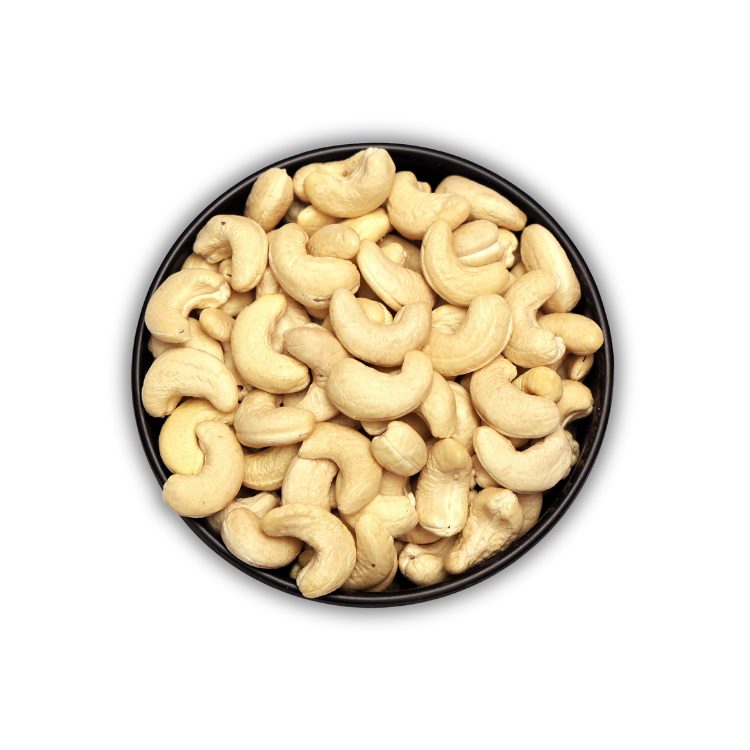
Short answer: Eight to ten whole cashews - about 15 grams - is the everyday amount most adults can eat without thinking about it. That is roughly 85 calories and a third of your daily magnesium.
Where eight to ten comes from
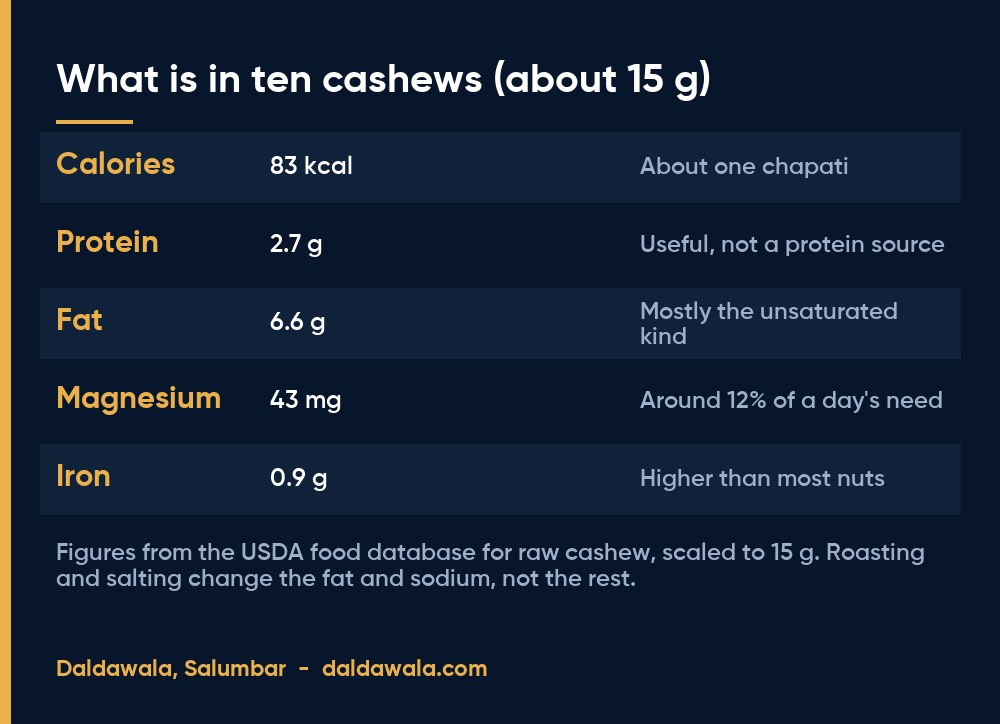
A cashew is about 83% fat and carbohydrate by calorie, which makes it energy-dense. Ten of them carry roughly 83 calories - about the same as one chapati, and about a twentieth of what most adults eat in a day. At that level they are a sensible addition to the day rather than something you have to account for.
Go to thirty or forty in one sitting, which is easy to do out of an open dabba in front of the television, and you have eaten 300 calories without it feeling like food. That is the actual risk with cashews - not the nut, the dabba.
When the number changes
If you are using them for iron or magnesium. Cashews carry more iron than almonds or walnuts, and a useful amount of magnesium. Fifteen to twenty a day is reasonable if that is the point, and it is worth soaking them overnight - the phytates that block mineral absorption leach out into the water.
If you are watching weight. Not fewer cashews; fewer cashews eaten absent-mindedly. Count them out, put the dabba away, and ten is fine.
If you have had a kidney stone. Cashews carry oxalate. Not a reason to never eat them, but a reason to ask your own doctor about your own number rather than taking one off a website.
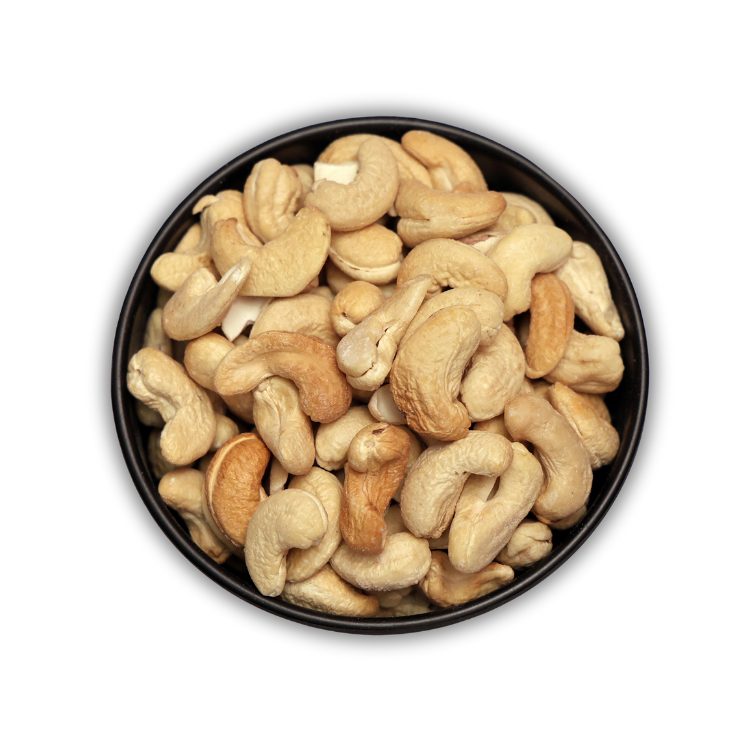
Raw, roasted or soaked
Raw and roasted are nutritionally close enough that it is not worth choosing between them on that basis - roasting costs a little of the vitamin content and nothing else. Choose on taste, and on how long you need them to keep: roasting opens up the oil, so roasted cashews go stale faster.
Soaking is the one that genuinely changes something. Six to eight hours in water softens them, removes some of the phytate, and makes them easier on a stomach that finds raw nuts heavy. Drain the water; do not drink it.
The honest part
No daily amount of cashews will do anything dramatic for you. They are a good, dense, mineral-rich food that is pleasant to eat, and ten a day is a reasonable habit. Anyone promising more than that from a nut is selling something.
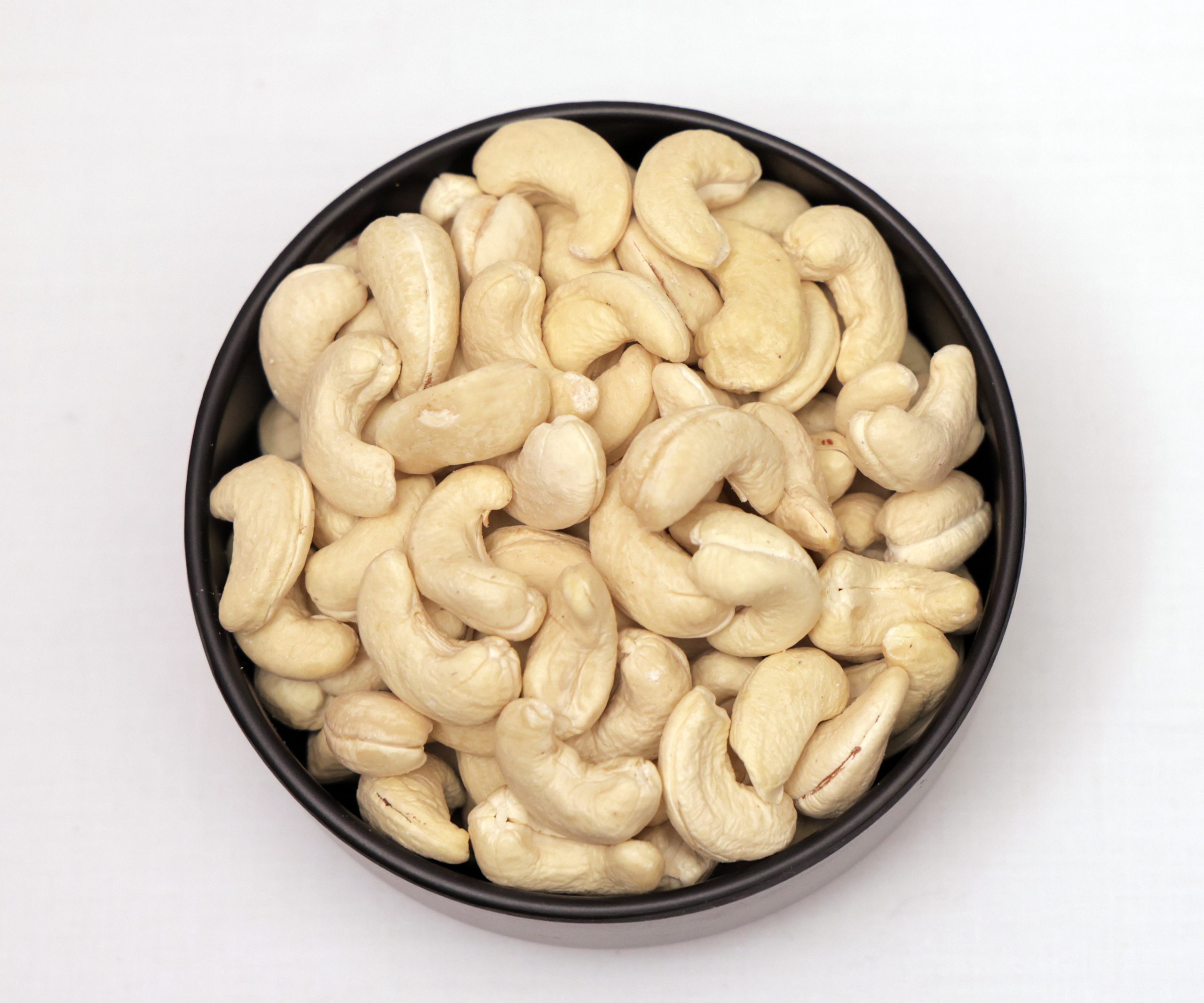
What does matter is the quality of what you are eating ten of. A shrivelled, grey, year-old cashew has lost most of what made it worth eating and tastes faintly of paint. That is worth more attention than the count.
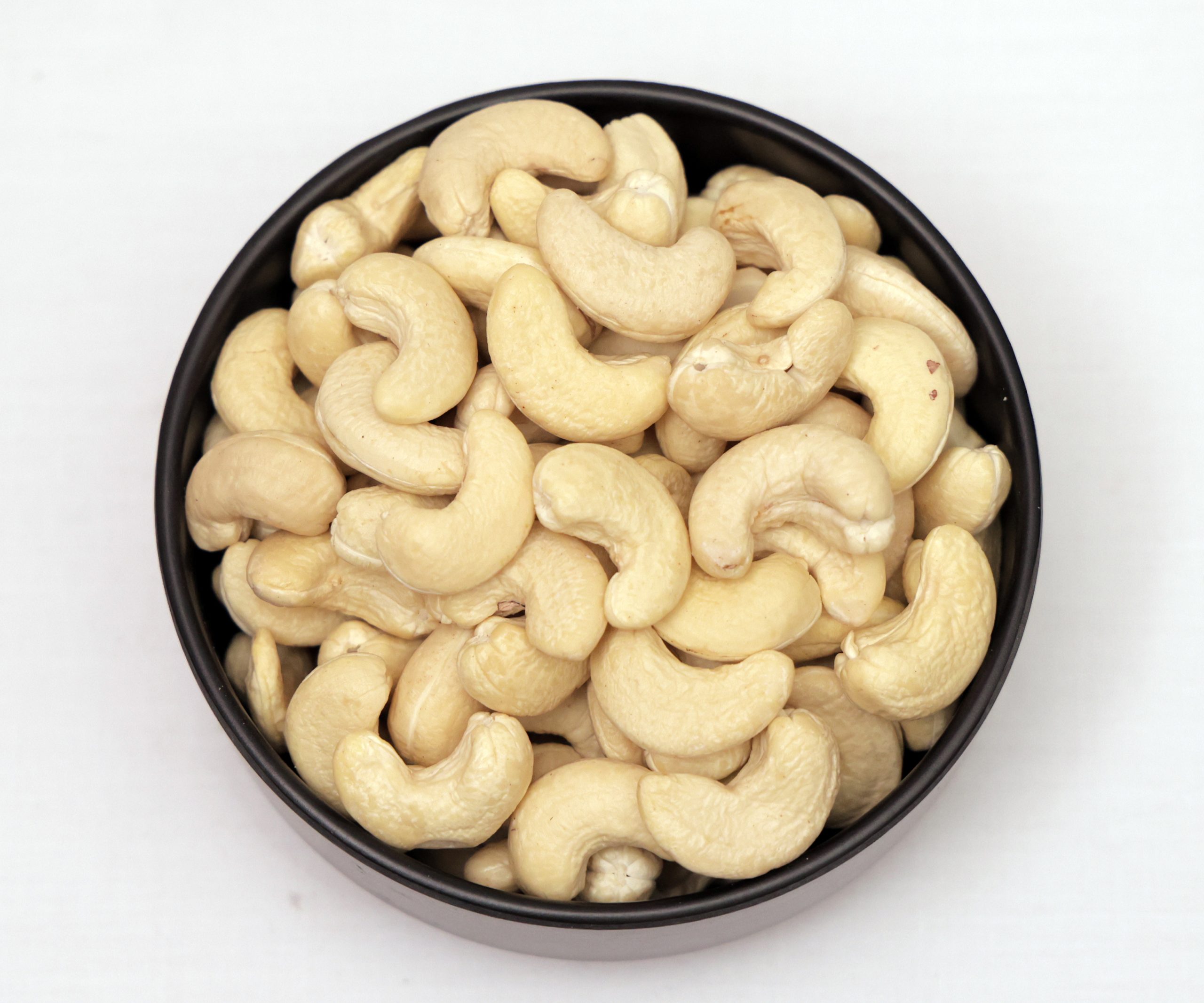
How to soak cashews properly
- Measure first. Count out the amount you want - fifteen to twenty if you are soaking for minerals. Soaked nuts are easy to over-eat because they stop feeling rich.
- Cover with room-temperature water. Twice their depth. Not hot water; it starts cooking them and they go slimy.
- Leave six to eight hours. Overnight is simplest. Longer than twelve and they start to ferment, which you will smell.
- Drain and rinse. The water carries the phytates you were trying to remove. Throw it away.
- Eat within a day. Soaked nuts are wet nuts, and wet nuts spoil. Keep them in the fridge and finish them.
Buying it in Salumbar
Our cashew (kaju) is on this site with the weight and the price on every pack. Order before 5 PM and it reaches you the same day inside Salumbar, free over ₹200. We have been on Sadar Bazar since 1961. If you would rather just say what you want, send it on WhatsApp and we will confirm the price before we pack anything.
Questions people ask
Can I eat cashews every day?
Yes. Eight to ten a day is a normal daily habit for most adults, the same way a daily fruit is. There is nothing in a cashew that builds up or needs a break.
Do cashews cause weight gain?
Not at ten a day - that is about 83 calories. They cause weight gain the way any dense food does, by being eaten in large handfuls without noticing. Portion them out and the problem disappears.
Are cashews good for the heart?
The fat in cashews is mostly unsaturated, which is the kind that is not a problem, and they carry magnesium and potassium. That is a mild good, not a treatment. Nobody should swap medicine for nuts.
Should I eat cashews on an empty stomach?
You can. Soaked cashews in the morning are a common habit and are easier to digest than raw ones. If raw nuts sit heavily on an empty stomach, that is your answer - have them with something.
How many cashews for a child?
Four or five, and chopped or soaked for anyone under four, because whole nuts are a choking risk. Beyond that there is nothing special about a child and a cashew.
Is W320 kaju worse than W180?
No. The number is how many nuts make a pound, so it is a size, not a quality. A W320 from a good lot beats a W180 from a bad one every time.


 (1).jpg)