Almonds do not go visibly bad. They go quietly flat - the oil in them oxidises over months, and a nut that has turned tastes of cardboard without ever looking wrong in the bag.
Which means the only way to buy well is to check before you pay. Four things, thirty seconds.
Short answer: Snap one in half. A good almond breaks with a clean crack and a white, tight interior. If it bends, folds or looks yellow inside, the lot has taken on damp and will taste flat.
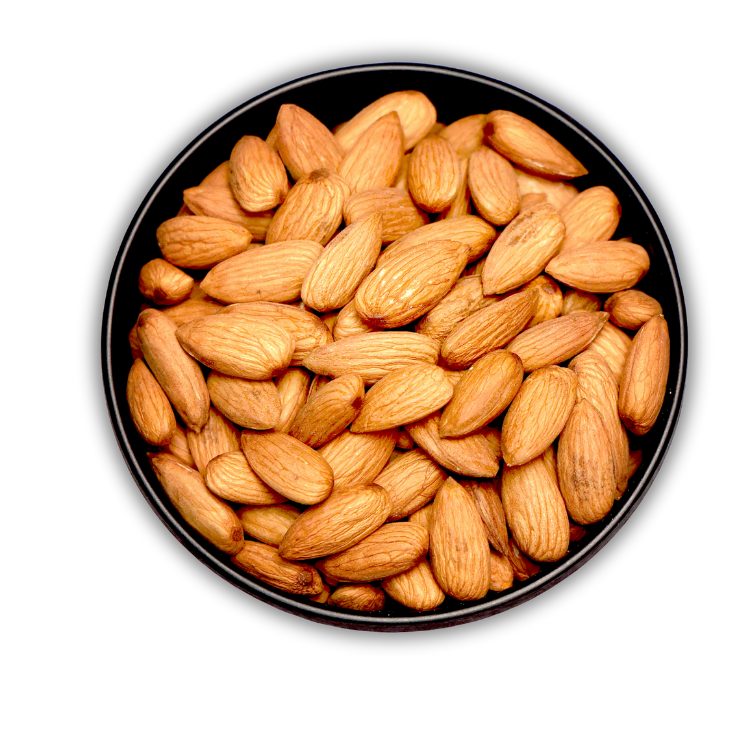
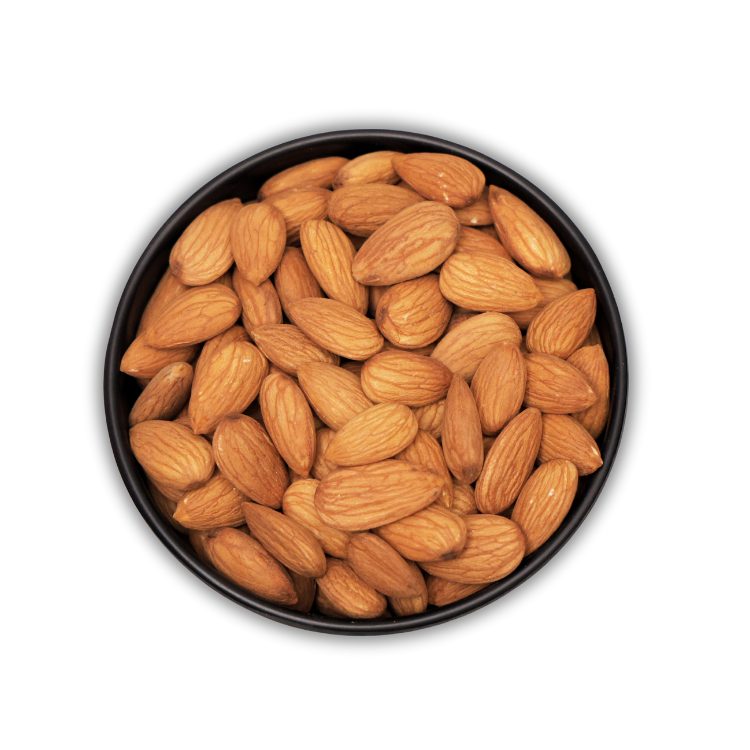
Colour: even, matte, light brown
A good almond is an even light brown all over, with a matte skin. What you are looking for is not a shade so much as consistency: in a handful from a good lot, every nut is the same colour.
Patchy darkness, or nuts that are noticeably lighter than their neighbours, usually means the lot has been blended from different batches - which is not dishonest in itself, but means some of it is older than the rest. A shiny, almost oily surface on a raw almond means the oil has started coming out, and that nut is on its way to rancid.
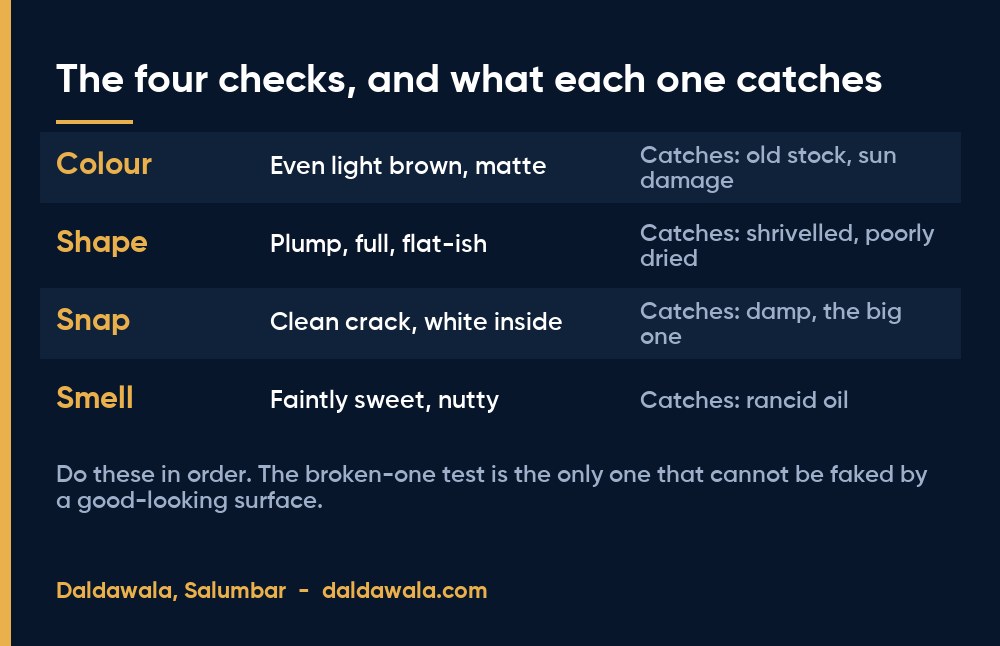
Shape: plump, not shrivelled
Almonds lose moisture with age, and a nut that has lost it looks exactly like what it is - slightly collapsed, with the skin wrinkling along the length. Compare two from the same handful. If some are plump and some are drawn in, the lot is mixed.
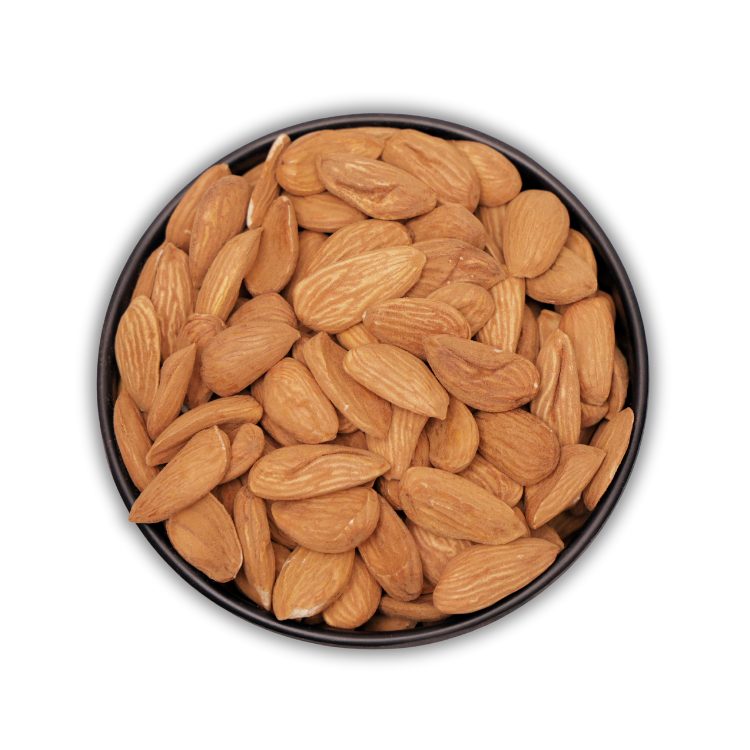
Mamra badam are naturally smaller, rounder and more irregular than Californian almonds, so do not mistake the shape of a mamra for a shrivelled California. They are different nuts, not different qualities.
The snap, which is the one that matters
Break one in half with your fingers. This is the test that cannot be hidden.
A good almond resists for a moment and then cracks cleanly, and the inside is white, tight-grained and dry. A nut that has taken on moisture bends before it breaks, or folds rather than snaps, and the inside looks slightly translucent or yellowish. That nut will not keep, and it will taste of nothing.
Nobody will mind you doing this. Any shop that does mind has told you what you needed to know.
Smell: faintly sweet, never like paint
Cup a handful and smell them. Good almonds smell faintly sweet and barely nutty - it is a quiet smell. What you are listening for is the absence of anything sharp.
Rancid nut oil smells like old paint or crayons. Once you have smelled it you cannot un-know it, and it never goes away with roasting or soaking. A lot that smells like that is finished.
What about mamra versus California?
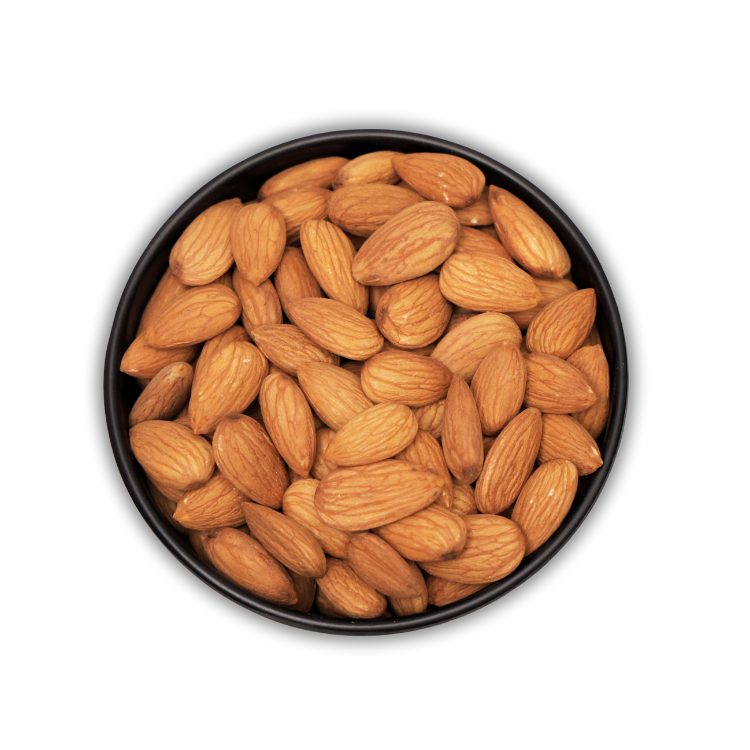
These are two different almonds, not two grades of one. Californian almonds are large, flat and uniform, and are what most people mean by badam. Mamra are Iranian or Afghan, smaller, rounder, noticeably oilier, and cost two to three times as much.
Mamra are worth the money if you are eating them as almonds and can taste the difference. They are not worth it for grinding into a badam milk or a sweet, where the shape and the cost both disappear. Buy Californian for the kitchen and mamra for the plate.
Buying it in Salumbar
Our almonds (badam) is on this site with the weight and the price on every pack. Order before 5 PM and it reaches you the same day inside Salumbar, free over ₹200. We have been on Sadar Bazar since 1961. If you would rather just say what you want, send it on WhatsApp and we will confirm the price before we pack anything.
Questions people ask
Are shiny almonds bad?
A raw almond should be matte. Shine on a raw nut usually means the oil has started to come out of it, which is the first sign of going rancid. Roasted almonds are often shiny because oil was added, which is different and fine.
Should almonds be soaked and peeled?
Soaking softens them and makes the minerals easier to absorb. Peeling is optional - the skin carries most of the antioxidants and a little bitterness. Peel if you dislike the bitterness, not because the skin is harmful.
Why are mamra badam so expensive?
They are grown in smaller quantities in Iran and Afghanistan, have a lower yield per tree, and are mostly hand-sorted. The price is about supply, not a difference in nutrition.
How long do almonds keep?
Six to eight months in an airtight container away from heat, and over a year in the fridge. The clock starts when the nut was packed, not when you bought it, which is why the checks above matter more than any date on a bag.
Can bitter almonds be mixed in?
An occasional bitter almond in a lot is a natural variation and is harmless in the quantity you would ever encounter. A lot that is consistently bitter is a different matter - stop eating it and take it back.


 (1).jpg)